Gain Your Unfair Advantage in the 2026 Tech Job Market
Remote work isn’t a side perk anymore. It has become a durable part of how companies hire. In the U.S., 22.8% of employees telework at least partially, according to Remotive’s remote work statistics and hiring trends. For job seekers in tech, that matters because it changes where opportunity shows up and how quickly it disappears.
The best remote tech jobs still attract heavy competition on major platforms. By the time a role has circulated through LinkedIn, repost accounts, and recruiter feeds, you’re often one of many applicants. The quieter opportunities live elsewhere: company career pages, niche job engines, and remote-first employers that hire directly.
That shift creates an opening for prepared candidates. The strongest applicants don’t just chase titles. They target the right company types, tailor their proof of work, and apply before a listing gets crowded. That’s especially important in remote hiring, where resume quality and timing matter more than charm in a hallway conversation.
This guide gives you both pieces. You’ll find the 10 best remote tech jobs for 2026, plus a practical playbook for landing them: what each role involves, how remote-friendly it is in real life, what kind of company to target, and how to apply early. If you’re sorting through your next move, these insights for remote job seekers can help sharpen your strategy.
1. Senior Full-Stack Software Engineer
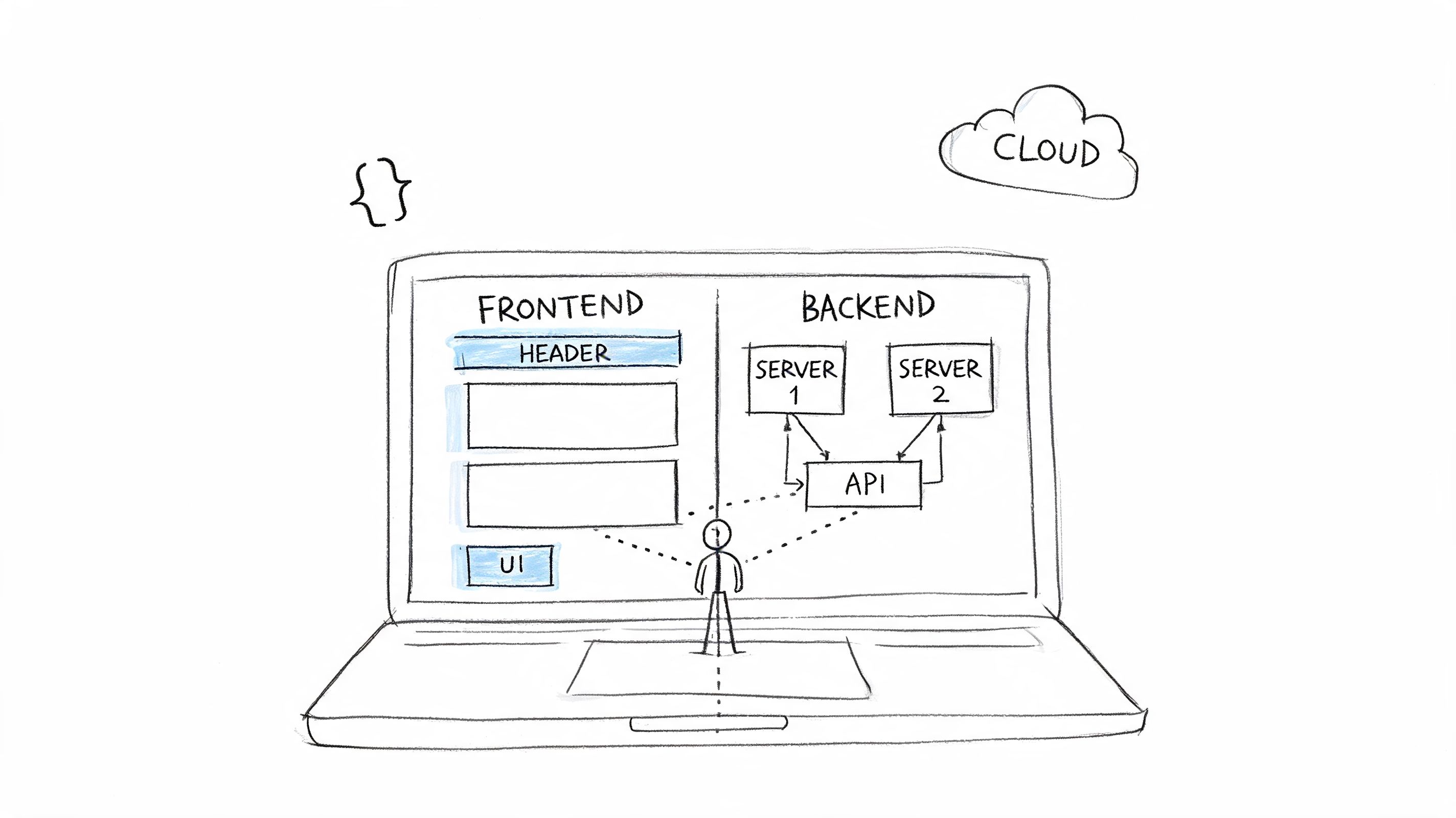
Senior full-stack software engineering remains one of the strongest remote roles because the hiring signal is concrete. Employers can inspect shipped features, code quality, system design choices, review habits, and how you communicate in writing. In a remote process, that matters more than presence.
Pay stays high for the same reason. Companies will pay well for engineers who can move across front-end and back-end work, reduce handoff friction, and own a feature from spec to production. The catch is scope. Some teams say “full-stack” when they really mean “you handle everything from flaky CSS to database fires.” Strong candidates screen for that early.
Remote-Friendliness Score
9.5⁄10
This role scores high because mature engineering teams already work through GitHub or GitLab, tickets, technical docs, CI/CD, and async reviews. A senior engineer with clear ownership can produce visible work from anywhere.
The score drops on teams that depend on constant Slack replies, make architecture decisions in private calls, or blur ownership across product, design, and engineering. Remote work exposes weak operating habits fast.
Best company types to target
- Series B+ SaaS companies: These teams usually have real product complexity, established workflows, and enough urgency to value engineers who can ship across the stack.
- Developer tools and infrastructure companies: Technical interviews tend to map more closely to the job, and engineering leaders often respect strong written thinking.
- Remote-first product companies: They are more likely to have documentation standards, cleaner onboarding, and fewer location-based politics.
A useful filter is team shape. If the company has separate platform, product, and design functions, full-stack usually means broad product ownership. If every function is thin, full-stack can turn into catch-all execution. That trade-off affects burnout, promotion paths, and how much deep work you get.
Practical rule: Skip generic positioning. Tie your experience to the stack and business problem. “TypeScript, React, Node, and PostgreSQL for B2B SaaS onboarding flows” gets attention faster than “full-stack engineer with 8+ years of experience.”
For applications, show evidence that lowers hiring risk. That means a resume with specific shipped outcomes, a GitHub profile or portfolio with code samples if you can share them, and proof you work well without constant supervision. Good signals include design collaboration, RFCs, code review comments, migration work, test coverage improvements, and examples of owning a feature after launch.
Timing matters too. Senior remote engineering roles attract fast volume, especially once they spread across large job boards. Using a remote tech job board like Remote First Jobs helps you catch openings earlier, before the applicant pile gets crowded and before recruiters start filtering by narrow proxies.
2. DevOps/Cloud Infrastructure Engineer
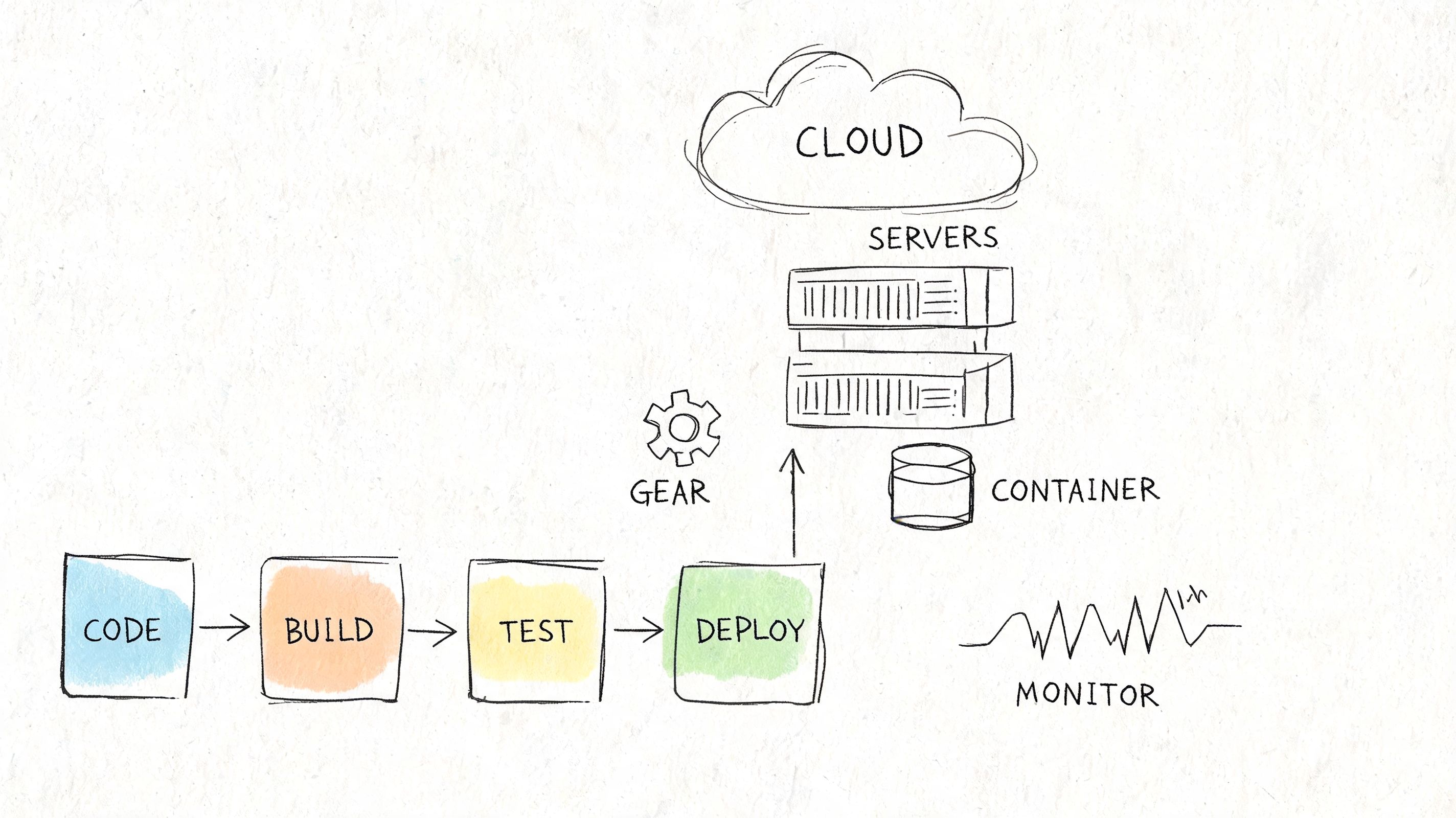
Cloud operations already run through remote systems. Repos, pipelines, infrastructure code, dashboards, alerts, and incident logs all live online. That makes DevOps and cloud infrastructure one of the clearest fits for remote work, but it also raises the hiring bar. Teams are trusting you with uptime, deployment safety, cost control, and recovery when production goes sideways.
Hiring managers screen this role differently from general software roles. They want proof that you can build reliable systems and keep them calm under pressure. Clear evidence beats polished self-description every time.
Remote-Friendliness Score
9⁄10
The work itself translates well to distributed teams because strong DevOps organizations already rely on documented change management, version-controlled infrastructure, and observable systems. A mature remote environment also creates a written trail of decisions, incidents, and handoffs, which is exactly what this job needs.
The risk sits in on-call design.
Some remote DevOps jobs offer real autonomy, reasonable rotations, and disciplined incident response. Others gradually turn into permanent escalation duty. Read the posting like an operator, not like a hopeful applicant. If it talks about ownership and urgency but says nothing about runbooks, postmortems, error budgets, or coverage, expect reactive work and a higher burnout ceiling.
Best company types to target
Target companies where infrastructure is tied directly to revenue, reliability, or compliance. Fintech, developer tooling, data platforms, cybersecurity companies, and B2B SaaS teams with contractual uptime expectations usually understand why this role matters. They are more likely to invest in observability, platform tooling, and sane review processes instead of treating DevOps as cleanup work after product engineers ship.
Early-stage startups are a mixed bet. You may get broad scope and fast learning, but you may also inherit weak guardrails, noisy alerts, and undocumented infrastructure. Mid-stage companies often offer the better trade-off. There is enough complexity to make your work valuable, and enough process to keep the pager from owning your life.
A stronger application strategy focuses on operating judgment:
- Show systems you built: Include projects or resume bullets that cover Terraform, Kubernetes, AWS, CI/CD, secrets management, or service observability in a real architecture, not as a keyword stack.
- Write outage bullets well: Good bullets mention detection, mitigation, root cause, and prevention. “Reduced deployment rollback time by improving health checks and release gating” is stronger than “handled production incidents.”
- Make scale and risk visible: Call out uptime targets, latency work, cloud cost reductions, migration complexity, compliance constraints, or support for multi-region environments.
- Surface remote-ready signals: Async incident communication, runbook ownership, postmortem writing, and change review discipline all help remote employers trust you faster.
For role targeting, benchmark against environments like PagerDuty, HashiCorp, or infrastructure-heavy SaaS teams where platform work has executive support. For workflow ideas on how technical teams present decision quality and prioritization, the Tekk.coach guide for PMs is also useful context, especially if you are applying into platform groups that work closely with product and engineering leadership.
Application timing matters more here than many candidates realize. Remote infrastructure jobs draw experienced applicants quickly because the talent pool is global and the skills are transferable across industries. Use a remote-first job board for infrastructure roles to catch postings close to day one, then apply before the role gets copied onto larger boards and filtered down to keyword roulette.
3. Product Manager Technical
Product teams lose speed fast when decisions live in meetings. Remote technical PMs get hired to prevent that. They turn scattered requests, engineering constraints, and customer pressure into a written plan the team can execute without waiting for the next call.
That makes this role more remote-friendly than many people expect. The work travels well when the company values specs, decision logs, roadmap rationale, and clear ownership. It gets messy in companies where executives revise priorities verbally and nobody records why a trade-off was made.
Remote-Friendliness Score
8.5⁄10
The score is high because strong technical product management is built on artifacts, not presence. Good remote PMs write useful PRDs, define success metrics before launch, and keep engineering, design, and go-to-market teams aligned in shared docs. Weak remote environments turn the same job into calendar management.
The hiring signal is simple. If the interview process includes written exercises, product sense prompts, or scenario-based trade-off questions, that company usually understands remote PM work.
Best company types to target
Product-led SaaS companies are often the best fit, especially at Series B and Series C. They usually have enough product complexity to need a technical PM, but still give one person room to influence roadmap quality, developer experience, platform priorities, or internal tooling. Figma, Notion, and Slack are useful reference points for the operating style, though many smaller companies offer a better path to scope.
Target teams where technical judgment changes outcomes. Platform products, API-first companies, developer tools, fintech infrastructure, and workflow software are strong categories. In those environments, PMs are expected to understand dependencies, rollout risk, instrumentation gaps, and what engineering time is buying.
A good application shows decision quality, not just shipped features.
- Write one strong case study: Show the problem, the options considered, the trade-off you chose, and what happened after launch.
- Show technical range clearly: Mention APIs, event tracking, data contracts, backlog shaping, migration risk, or release sequencing in plain language.
- Prove remote execution: Include examples of specs that reduced meetings, async stakeholder updates, or roadmap decisions you documented well enough for teams in different time zones to move without you.
- Target the right employers: Product-led SaaS, developer tooling, and infrastructure-adjacent companies tend to value technical PMs who can work independently and write clearly.
One caution. Some companies advertise for a technical PM and in fact want a project manager, scrum coordinator, or founder proxy. Read the job description closely. If the posting talks far more about status meetings than product judgment, skip it.
Apply early through a remote-first job board for technical product roles before the listing spreads to larger boards and turns into a volume contest. If you want to sharpen how you present prioritization and decision-making in applications, the Tekk.coach guide for PMs is useful practical reading.
4. Data Engineer
A lot of remote tech roles still depend on live collaboration. Data engineering travels better because the work leaves evidence. A broken pipeline fails visibly. A weak model creates reporting drift. A careless schema change breaks downstream jobs. Hiring managers can evaluate that kind of work from artifacts, and strong data engineers can run it well across time zones.
For candidates who like backend systems but want more business proximity than pure infrastructure, this role sits in a useful middle ground. You work on reliability, modeling, and data movement, but your output also shapes analytics, finance, product decisions, and customer reporting.
Remote-Friendliness Score
9⁄10
This role rewards engineers who write clearly, track dependencies, and make data lineage easy to follow. It is especially remote-friendly at companies where analytics engineering, platform work, and BI requests are separated cleanly instead of being handed to one person as a catch-all data job.
Best company types to target
Growth-stage SaaS companies are usually the best place to start. They have real complexity, multiple source systems, and enough reporting pressure to value clean pipelines, but they are often still early enough to fix modeling problems before the stack turns into archaeology.
Developer tools, fintech infrastructure, and product-led SaaS teams are also strong targets. They tend to care about data freshness, testing, governance, and warehouse cost control. Those needs map well to remote work because good teams document contracts, ownership, and failure handling.
What gets interviews in this market is proof that you can build stable systems, not just run SQL.
- Build one end-to-end project: Ingest from a public API or SaaS source, load into a warehouse, model it with SQL or dbt, add tests, and publish a dashboard or documented output.
- Make your stack obvious: List tools like BigQuery, Snowflake, Redshift, Airflow, Dagster, dbt, Python, Terraform, or Kafka where relevant. Recruiters scan fast.
- Show operating judgment: Include partitioning choices, backfill handling, data quality checks, cost trade-offs, and how you handled schema changes.
- Prove remote execution: Link to docs, README files, runbooks, PRs, or architecture notes that show another engineer could maintain your work without a meeting.
One trade-off matters here. Some remote data engineer jobs are analyst engineering, BI support, or ad hoc dashboard triage under a better title. Read the posting carefully. If the role spends more time on stakeholder ticket intake than pipelines, orchestration, and modeling, price that in before you apply.
Apply early through a remote job board for data engineering roles and search by stack, not just title. “Data Engineer” is too broad to be useful on its own. Filters like dbt, Airflow, Snowflake, streaming, or ELT usually surface better-scoped roles and help you get in before the listing turns into a resume pile.
5. UX/Product Designer
Remote design used to come with skepticism. That changed once collaboration moved into tools like Figma, FigJam, Loom, and structured design systems. Today, UX and product design are firmly in the best remote tech jobs category, but only when the company respects design as a function instead of treating it like surface polish.
Figma, Webflow, and Framer are obvious examples of design-forward environments. They’re useful models because they show what remote design looks like when critique, iteration, and engineering handoff are baked into the workflow.
Remote-Friendliness Score
8.5⁄10
This role is highly remote-friendly, but not universally easy. Design breaks down in remote settings when teams don’t document rationale, don’t involve engineering early, or use endless review loops as a substitute for clear ownership.
Best company types to target
Founder-led product companies and design-led SaaS businesses tend to be better bets than heavily layered enterprises. In smaller product-led environments, your work usually reaches production faster and your portfolio gets stronger.
Your portfolio is the deciding asset here.
- Show process, not just polished screens: Include the problem, constraints, rejected ideas, and what changed after feedback.
- Demonstrate system thinking: Strong remote designers don’t just make screens. They work with patterns, components, states, and handoff logic.
- Prove collaboration: Mention how you worked with PMs and engineers, especially across time zones.
A polished Dribbble profile isn’t enough. A hiring manager wants to see how you reason through trade-offs, especially in asynchronous environments.
Use Remote First Jobs to focus on direct-hire remote product teams instead of broad design boards filled with recycled posts. Design roles age badly on crowded platforms because applicant volume piles up fast.
6. Solutions Architect
Solutions architects sit at the intersection of technical depth, customer communication, and commercial judgment. That’s why the role can be excellent for experienced engineers who want more business exposure without moving into pure sales.
In remote environments, this role works best when the company sells a technically complex product and trusts architects to guide implementation rather than just decorate demos.
Remote-Friendliness Score
8⁄10
The work is remote-friendly because much of it happens through discovery calls, architecture reviews, solution documents, recorded walkthroughs, and implementation planning. The lower score compared with engineering reflects one reality: customer-facing calendars can reduce schedule flexibility.
Best company types to target
Stripe, Twilio, and Datadog represent the kind of B2B SaaS environment where solutions architecture matters. These companies sell products that require technical fluency and business credibility.
Candidates who break in here usually have a pattern behind them:
- Strong engineering background: Senior engineers often transition well because they can speak credibly with both customers and internal product teams.
- Customer-facing proof: Implementation consulting, technical onboarding, sales engineering partnership, or enterprise support experience helps.
- Vertical specialization: Fintech, healthcare, and edtech knowledge can make you much more valuable than being generically “technical.”
The best application angle is not “I can talk to clients.” It’s “I can translate business requirements into an implementation path that engineering, sales, and the customer can all trust.”
This role isn’t always the first one people think of when searching best remote tech jobs, but for experienced operators, it’s one of the strongest paths to remote seniority with broad career options.
7. Security Engineer / InfoSec Specialist
Security incidents rarely start with dramatic hacks. They start with a missed permission, an exposed token, a weak review process, or an alert nobody owns. That reality keeps security hiring strong in remote companies, because distributed teams create more cloud assets, more identity sprawl, and more chances for small mistakes to turn into expensive ones.
This role travels well across remote environments because the core work is already documented and systems-based. Security engineers spend their time on access controls, application reviews, cloud posture, detection rules, audit prep, and incident response planning. Good teams run that work through tickets, pull requests, runbooks, and async reviews.
Remote-Friendliness Score
8.5⁄10
The score is high because the work fits distributed collaboration. The trade-off is pressure. A remote security role can be excellent at a company with mature engineering habits, and miserable at one that treats security as a cleanup crew.
Ask direct questions before you apply. Who owns IAM? How often do incidents happen? Is security involved in design reviews before launch, or only after findings show up? Those answers tell you whether the job is strategic or mostly firefighting.
Best company types to target
The strongest targets are growth-stage SaaS companies handling sensitive customer data, cloud-heavy infrastructure companies, and B2B platforms heading toward SOC 2, ISO 27001, or enterprise procurement. Security vendors such as Auth0, Snyk, and Cloudflare are obvious fits, but many of the better opportunities sit in less visible companies where security just became a board-level concern.
The hiring strategy is sharper when you match your experience to a clear lane:
- Pick a specialty and name it clearly: AppSec, cloud security, detection and response, infrastructure security, GRC-adjacent engineering, and IAM are different hiring markets.
- Show proof of judgment: A short write-up on a threat model, insecure Terraform pattern, incident review, or permission redesign says more than a long tools list.
- Read the environment before you apply: A startup hiring its first security engineer wants breadth. A larger remote company usually wants depth in one domain.
- Apply early through Remote First Jobs: Security openings often get flooded once they hit larger job boards. Early applicants with a tight, role-specific resume have better odds of reaching the first screen.
One pattern shows up again and again. Security candidates lose momentum when they describe tools instead of decisions. Hiring managers want to know what you found, how you assessed risk, what you changed, and how the change held up in production.
Security hiring gets sharper when you show judgment, not just tools. Anyone can list scanners. Fewer candidates can explain risk.
8. Technical Writer / Developer Advocate
This category rewards clarity. Technical writers and developer advocates help users understand products, not just through grammar, but through structure, examples, and empathy for how developers learn.
Remote companies need this more than they admit. When product teams are distributed, documentation becomes part of the product experience. That makes these roles more strategic than many job seekers assume.
Remote-Friendliness Score
9⁄10
Technical writing is one of the most location-flexible jobs in tech because the output is already asynchronous. Developer advocacy adds more live interaction through community work, but it’s still highly compatible with distributed teams.
Best company types to target
Developer-focused SaaS companies are the best targets. Stripe, Vercel, Auth0, Twilio, and API-heavy platforms tend to value clear documentation because poor docs create support load and slow adoption.
A portfolio matters more than formal credentials here.
- Publish real tutorials: Clear posts on APIs, SDKs, deployment flows, or debugging techniques prove both technical depth and teaching ability.
- Use docs-as-code: Markdown, Git, version control, and contribution workflows matter because modern documentation lives with the product.
- Pick a lane: JavaScript, Python, DevOps, authentication, and cloud are all distinct communities.
What doesn’t work is applying to technical writing roles with only generic blog content. Hiring managers want evidence that you can explain a real workflow to a real user with minimal confusion.
Developer advocacy demands one more layer. You need to write, present, collect feedback, and communicate user pain back to product teams without sounding like a social media manager with a code editor.
9. Growth / Marketing Operations Manager
Not every strong remote tech career is engineering-heavy. Growth and marketing operations roles are some of the best remote tech jobs for analytical operators who like systems, experimentation, and revenue-adjacent work.
The good version of this role combines funnel thinking, instrumentation, CRM hygiene, analytics, and experiment design. The bad version is a messy catch-all job with no authority and impossible pipeline targets. You need to tell the difference early.
Remote-Friendliness Score
8⁄10
This role works remotely when the company has disciplined data practices and clear ownership between product, sales, and marketing. It gets messy when everyone wants attribution but no one agrees on definitions.
Best company types to target
Series A through Series C SaaS companies are often ideal. They care about acquisition and retention, but still need someone to tighten process, reporting, and experimentation.
Strong candidates usually stand out in one of three ways:
- They can query data: SQL still separates strategic operators from dashboard tourists.
- They understand systems: HubSpot, Salesforce, Marketo, Mixpanel, Amplitude, and lifecycle tooling all matter.
- They show commercial judgment: A good ops candidate understands why a clean funnel matters to both marketing and revenue teams.
Notion, Slack, and Zapier are useful examples of companies where growth thinking sits close to product. If you’re aiming at these roles, build portfolio-style case studies. Break down a funnel, propose instrumentation improvements, or map a retention problem with practical next steps.
This is also a good lane for people moving from analytics, lifecycle marketing, RevOps, or product-adjacent work into a more technical remote path.
10. Machine Learning Engineer / AI Engineer
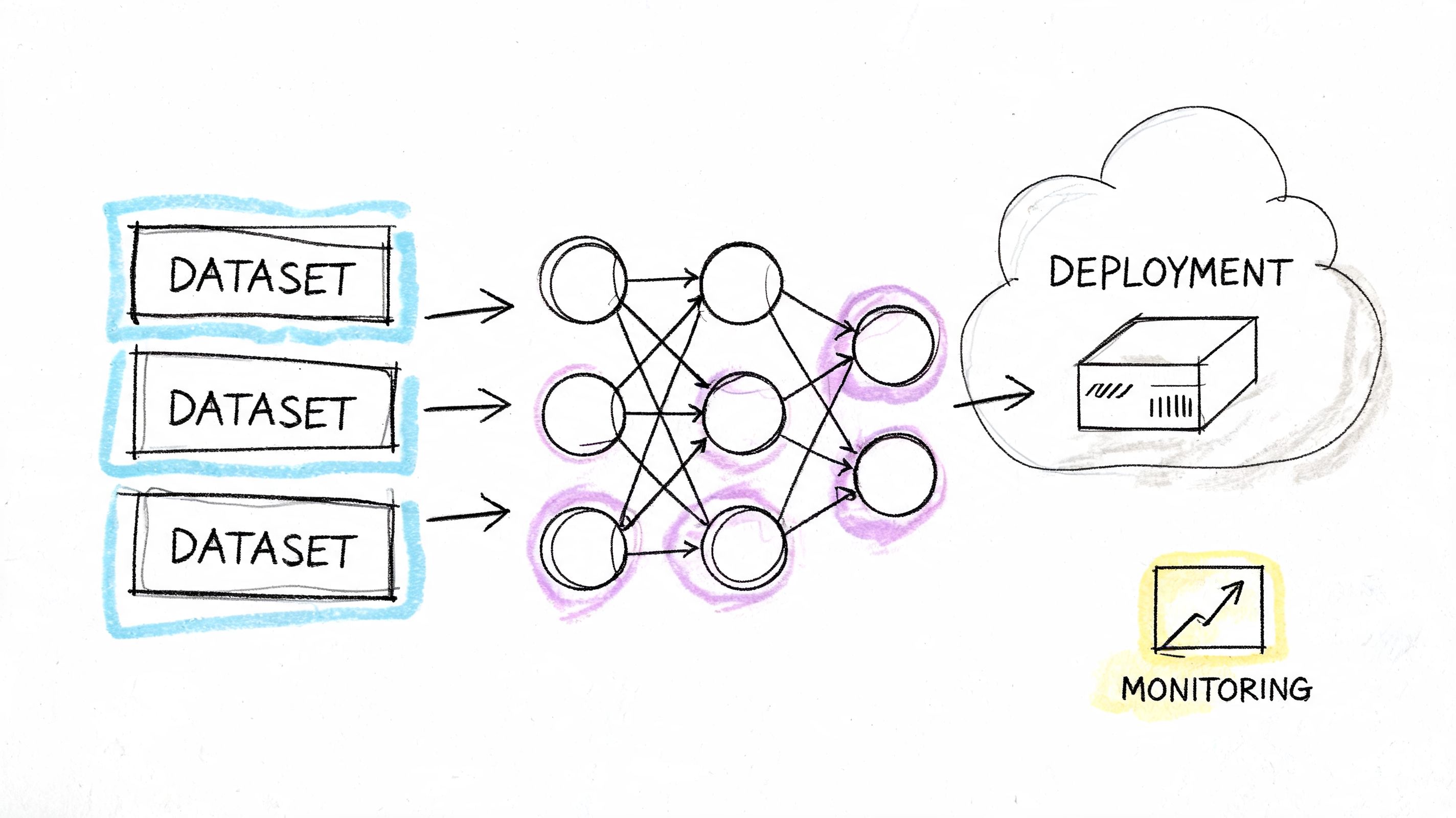
Companies are shipping AI features faster than they can hire people who know how to put models into production. That gap is why this role keeps showing up near the top of remote hiring lists. Employers are not paying for prompt experiments alone. They are paying for engineers who can train, evaluate, deploy, monitor, and improve systems that affect a real product.
Remote-Friendliness Score
9⁄10
Machine learning work fits remote teams well because the job already lives in cloud environments, repos, pipelines, notebooks, and async review cycles. The friction points are predictable. Secure data access can slow onboarding, model work often depends on data and platform teams, and hiring managers are tired of candidates who know theory but cannot show production evidence.
That last point matters more now than it did two years ago.
Best company types to target
Skip the instinct to apply only to famous AI labs. A large share of strong remote ML roles sit in product companies that treat machine learning as infrastructure for a business outcome. Good targets include B2B SaaS firms building search or support automation, fintech companies working on fraud and risk models, marketplaces improving ranking and recommendation, and health or operations companies using prediction systems behind internal workflows.
The best company type depends on your proof of work:
- Applied product companies: Best for candidates who can connect model quality to conversion, retention, ranking, or support efficiency.
- Platform-heavy engineering teams: Best for candidates with MLOps depth, batch and real-time inference experience, and strong reliability habits.
- Data-rich mid-stage companies: Best for candidates who can work with imperfect data, set evaluation standards, and improve an existing system instead of starting from scratch.
A serious application should show judgment, not just tools. Hiring teams want evidence that you can choose a smaller model when latency matters, explain why recall matters more than precision in a given use case, or reduce cloud cost without breaking the product.
For remote hiring, portfolio quality beats keyword volume. I would rather see one clean case study with the full lifecycle than five half-finished notebooks. Show the dataset or data constraints, the training approach, evaluation method, deployment path, monitoring plan, and the trade-offs you made under product or infrastructure limits.
Use this checklist:
- Show production proximity: Include APIs, batch jobs, feature stores, inference services, or monitoring dashboards.
- Make trade-offs explicit: Write down latency, cost, reliability, and evaluation choices in plain English.
- Prove reproducibility: Clear repos, setup instructions, experiment tracking, and versioned artifacts signal mature engineering habits.
- Target the right hiring window: Apply early through Remote First Jobs when roles are first posted, before the pipeline fills with generic AI applicants.
That early-application piece is practical, not cosmetic. Remote ML roles attract a flood of candidates, including many who are strong on research terminology and weak on shipping. Early applicants with credible deployment evidence get more attention because recruiters can spot the difference fast.
For a quick look at the kind of ML workflow employers often care about, this visual helps:
The candidates who stand out in AI hiring show how models hold up inside real products, with constraints, monitoring, and measurable outcomes.
Top 10 Remote Tech Jobs Comparison
| Role | 🔄 Implementation Complexity | ⚡ Resource Requirements | 📊 Expected Outcomes | 💡 Ideal Use Cases | ⭐ Key Advantages |
|---|---|---|---|---|---|
| Senior Full-Stack Software Engineer | 🔄 High, cross-stack architecture, code reviews, mentorship | ⚡ Moderate, cloud hosting, dev tooling, testing infra | 📊 High, shipped features and scalable services; ⭐ Strong technical quality | 💡 Core product development, end-to-end feature delivery | ⭐ Top salary potential, broad remote demand |
| DevOps / Cloud Infrastructure Engineer | 🔄 High, IaC, CI/CD, incident ops | ⚡ High, cloud resources, orchestration, monitoring | 📊 High, reliable deployments and uptime; ⭐ Operational resilience | 💡 Cloud migrations, SRE, scalable deployment pipelines | ⭐ Fast salary growth, certification leverage |
| Product Manager (Technical) | 🔄 Medium, roadmap strategy, cross-team coordination | ⚡ Low, documentation, analytics, stakeholder time | 📊 High, product-market outcomes and prioritization; ⭐ Strategic impact | 💡 B2B SaaS roadmap, feature prioritization, product-market fit | ⭐ Leadership path, high salary growth |
| Data Engineer | 🔄 Medium-High, ETL/ELT design, data modeling, pipeline ops | ⚡ High, data warehouses, orchestration, compute | 📊 High, reliable analytics/ML-ready data; ⭐ Data quality & latency gains | 💡 Analytics platforms, ML pipelines, large-scale ETL | ⭐ Strong demand, measurable technical metrics |
| UX / Product Designer | 🔄 Medium, user research to prototyping and design systems | ⚡ Low, design tools (Figma), prototyping resources | 📊 Medium, improved UX, adoption, retention; ⭐ User satisfaction | 💡 New UX flows, design systems, usability testing | ⭐ Portfolio-driven hiring, creative product impact |
| Solutions Architect | 🔄 High, enterprise integrations, technical-sales alignment | ⚡ Medium-High, POC resources, platform expertise, some travel | 📊 High, scalable customer solutions and deal enablement; ⭐ Business ROI | 💡 Enterprise sales, custom implementations, POCs | ⭐ High compensation + commission, customer visibility |
| Security Engineer / InfoSec Specialist | 🔄 High, threat modeling, audits, incident response | ⚡ Medium, security tooling, monitoring, compliance processes | 📊 Very High, reduced breach/risk exposure; ⭐ Critical business protection | 💡 Regulatory compliance, incident readiness, secure architecture | ⭐ Strong job security, rapid salary growth |
| Technical Writer / Developer Advocate | 🔄 Low-Medium, clear docs, examples, community work | ⚡ Low, docs tooling, CMS, community channels | 📊 Medium, better developer onboarding and adoption; ⭐ Clarity & education | 💡 API docs, tutorials, developer relations | ⭐ Highly remote-friendly, portfolio-based entry |
| Growth / Marketing Ops Manager | 🔄 Medium, experiments, attribution, cross-functional execution | ⚡ Medium, analytics, CRM, automation stack | 📊 High, acquisition and retention improvements; ⭐ Revenue impact | 💡 Early-to-growth SaaS, A/B testing, funnel optimization | ⭐ Performance-driven comp, transferable skills |
| Machine Learning / AI Engineer | 🔄 Very High, model design, MLOps, research-to-prod gap | ⚡ Very High, GPUs/TPUs, large datasets, ML infra | 📊 Very High, AI-driven features and insights; ⭐ Cutting-edge product impact | 💡 LLMs, personalization, model-driven product features | ⭐ Highest pay and candidate leverage, rapid career upside |
Your Next Move From Job Seeker to First Applicant
Remote tech hiring still creates real volume, but volume is not the same as access. The candidates who get interviews first usually do three things well. They choose one target role, aim at the company types that hire that role well remotely, and apply before the posting gets buried.
Start with focus. This article covered ten strong paths, but your search should center on one primary lane with one adjacent backup, not a scattered mix of five titles. A senior full-stack engineer can sometimes cross into platform or DevOps roles. A technical product manager might stretch into solutions architecture at the right company. A UX designer should not submit the same profile to data engineering and growth ops openings and expect a good response. Remote hiring puts extra weight on written proof, so mixed positioning usually reads as uncertainty.
Your application package should match the role and show remote readiness in concrete terms. For engineering roles, that means code samples, architecture writeups, GitHub activity, or sharp bullets tied to system scale, reliability, and business outcomes. For PMs, designers, and solutions architects, it means case studies that explain decisions, constraints, stakeholder trade-offs, and what changed after launch. For security, data, marketing ops, and technical writing roles, strong artifacts often beat long tool lists. Runbooks, documentation samples, incident summaries, dashboards, migration notes, and process improvements give hiring teams something they can trust.
Then get selective about employers.
A Remote-Friendliness Score only helps if you use it to qualify the company behind the title. Early-stage SaaS teams often hire full-stack engineers, designers, and growth ops managers who can work asynchronously and ship without much supervision. Mid-market B2B software companies are often a better fit for technical PMs, data engineers, and security specialists because the work is documented, cross-functional, and tied to recurring operational needs. Enterprise vendors and cloud consultancies usually offer the best path for solutions architects, DevOps engineers, and developer advocates, but they can also bring slower hiring loops and heavier interview processes.
The trade-off matters. Remote-friendly companies usually document decisions, record walkthroughs, write specs, and rely on clear ownership. Companies that say “remote” but depend on constant Slack replies, meeting-heavy approval chains, or unclear accountability tend to create weak remote roles, even when the title looks attractive.
Timing changes your odds.
Once a role hits large job boards, recruiters are sorting through volume, not reading carefully. Early applicants still need to be qualified, but they face less noise and have a better chance of getting a real review before the queue fills up. That is why some candidates use Remote First Jobs. It surfaces direct-hire remote openings from employer career pages and ATS feeds, which helps you find fresh listings before they spread across every aggregator.
Use a simple sequence. Pick your target role based on fit and remote-friendliness. Build two or three proof assets that match that role. Shortlist the company types where that job is set up to work well remotely. Track fresh openings daily, then apply with customized materials while the posting is still new.
That is the shift from browsing to competing.