About 32.6 million Americans, or 22% of the U.S. workforce, work remotely in 2025, as noted earlier. That number explains why remote work now shows up across nearly every white-collar field. It does not mean those jobs give you real control over your schedule.
That gap is where job seekers get burned.
A remote role can still run like an office job. The posting says “flexible hours,” but the team expects instant replies, fixed meeting blocks, and daily visibility on Slack. I group those roles under one label: flexibility theater. The job is remote by location, yet tightly managed by the clock.
The better target is a role built around output. Look for teams that rely on written updates, clear deadlines, documented handoffs, and managers who judge performance by completed work. Those operating habits matter more than the word “remote” in the title.
The market is still tight enough that sloppy searching costs time. According to Robert Half’s remote work research, only 33% of all job postings were hybrid or fully remote as of Q2 2024. Fully remote roles are only part of that group, so candidates need better filters than broad job boards provide. One practical shortcut is using direct-source remote job listings built for remote-first companies, which can reduce the number of office-style roles disguised as flexible work.
Schedule control also depends on employment type. Salaried roles can offer stability, benefits, and clearer advancement. Contract work can offer wider control over hours, with more income volatility and more responsibility for finding clients. If schedule freedom is the top requirement, these viable home business opportunities are worth reviewing alongside traditional roles.
The jobs below do more than list popular remote titles. They show which roles tend to support flexible hours, where companies often fake that flexibility, and what to ask before you accept an offer.
1. Full-Stack Software Engineer (Remote)
Full-stack engineering is one of the strongest fits for flexible remote work because the output is visible. You ship code, review pull requests, document decisions, fix bugs, and move product work forward. Good teams care about that progress more than whether you’re green on Slack all day.
That doesn’t mean every engineering job is flexible. Some companies still run engineering like an office job with video standups, constant check-ins, and long meeting blocks. The better roles are async-first and rely on strong written communication.
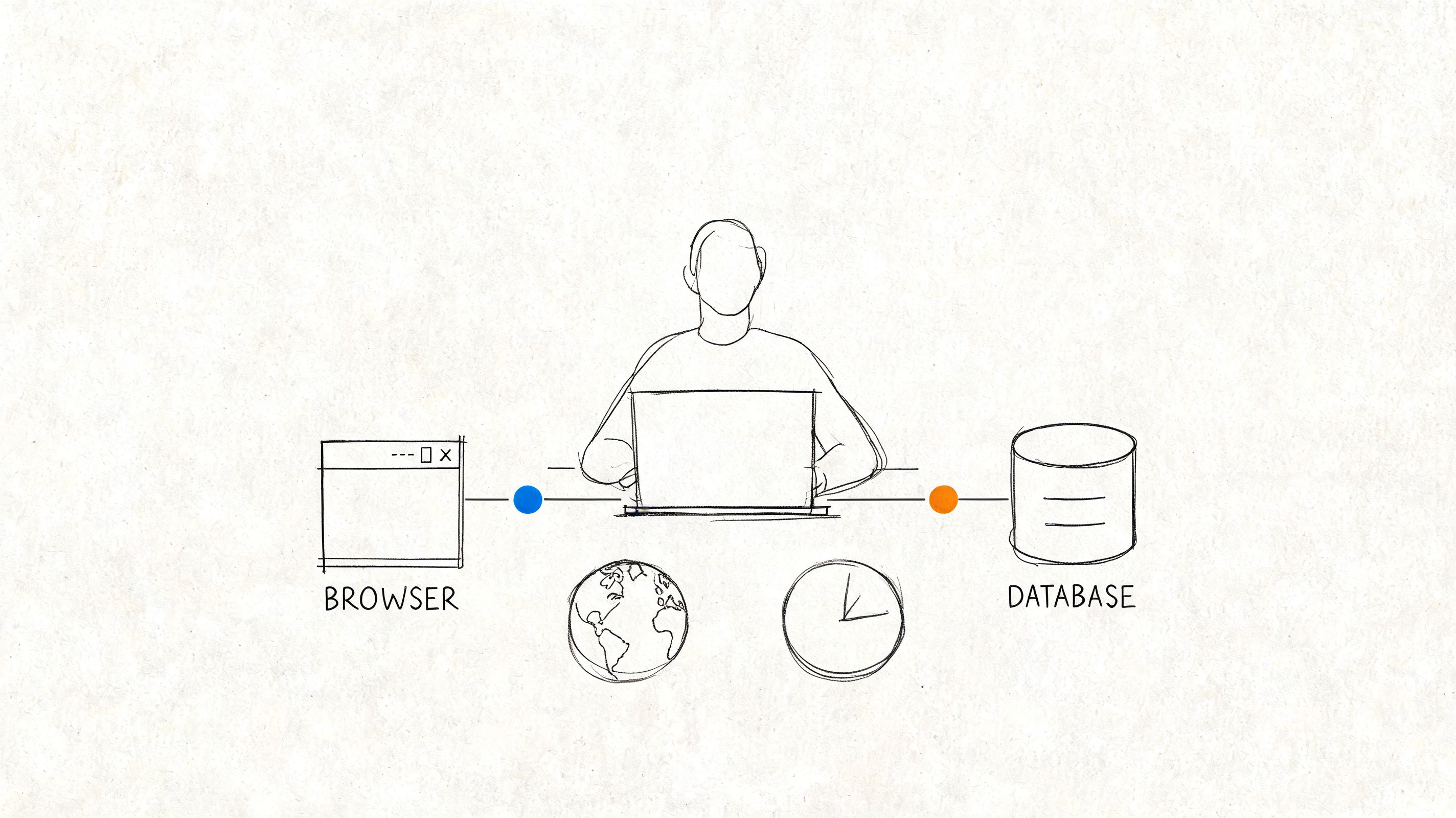
GitLab is the obvious example of distributed engineering done seriously. Zapier and Buffer also helped normalize documentation-heavy product work across time zones. In those environments, engineers can often shape their day around focus time instead of office-style presence.
What real flexibility looks like in engineering
A flexible engineering role usually has a few specific traits:
- Written specs first: Product and engineering decisions live in docs, tickets, and pull request threads.
- Minimal recurring meetings: Team syncs exist, but they don’t consume the workday.
- Clear ownership: Engineers own services, features, or problem areas without needing constant supervision.
- Predictable collaboration windows: There may be overlap hours, but not a full-day expectation.
If you’re filtering roles, search for companies that describe themselves as async-first, distributed, or documentation-driven. A platform like Remote First Jobs is useful here because it surfaces openings from remote-first employers directly, which cuts out a lot of hybrid noise.
Practical rule: If an engineering role mentions “fast-paced communication” five times and documentation zero times, expect interruptions, not flexibility.
What works and what doesn’t
What works is over-communication in writing. Strong engineers in flexible remote roles document what changed, why it changed, and what might break. They don’t wait for meetings to unblock themselves.
What doesn’t work is trying to “look available” all day. Flexible engineering jobs reward people who create clarity, not people who camp in chat.
2. Content Writer & Technical Writer (Remote)
Writing is deadline-driven work. That’s why it remains one of the most practical work from home jobs with flexible hours. If you can research well, hit deadlines, and revise cleanly, many employers don’t care whether you draft at 7 a.m. or 9 p.m.
Content writing and technical writing aren’t the same job, though. Content roles usually support marketing, SEO, email, and education. Technical writing supports product adoption through help docs, API references, onboarding guides, and internal knowledge bases. The second path often has more predictable workflows and fewer “urgent” requests.
Writers do best in companies that already value documentation. Notion is a natural fit. So are software companies with active help centers, changelogs, and developer docs. HubSpot-style content operations also create room for flexible scheduling because editorial calendars make the work batchable.
The trade-off most writers learn late
Flexibility is high, but revision cycles can eat your day if the company lacks process. A writing role with loose briefs, too many approvers, or constantly changing priorities can feel less flexible than a structured office job.
The best writing jobs have:
- Clear briefs: Audience, goal, format, and definition of done are documented.
- Named owner: One editor or stakeholder gives final approval.
- Production rhythm: Weekly or monthly content calendars reduce last-minute chaos.
- Channel clarity: You know whether success means education, rankings, conversions, or product adoption.
A smart place to find these employers is Remote First Jobs, especially if you want direct-hire content or documentation roles instead of agency churn.
How to make yourself easier to hire
Specialization helps more than most applicants realize. A writer who understands SaaS onboarding, fintech compliance, or healthcare workflows is easier to trust than a generalist with broad but shallow samples.
Build a portfolio that shows range in structure, not just tone. Include one educational article, one conversion-focused piece, one document-heavy sample, and one technical or process-oriented asset. That mix tells a hiring manager you can handle independent work without a lot of hand-holding.
Good flexible writing roles don’t ask, “Were you online?” They ask, “Was the piece accurate, useful, and on time?”
3. Customer Success Manager (Remote)
Customer success can offer real schedule control, but the title hides a wide range of working conditions. I’ve seen one remote CSM role run on planned check-ins, clean handoffs, and documented playbooks. I’ve seen another turn into all-day Slack triage with renewal pressure piled on top. The difference is rarely the title. It’s the operating model behind it.
The most flexible CSM jobs usually serve customers who do not need constant live guidance. Companies with solid onboarding flows, a searchable help center, product usage alerts, and clear rules for support escalation give CSMs time to manage accounts proactively. That changes the job from reactive inbox work to account strategy, adoption planning, and renewal management.
A quick test helps here. If the company expects you to “own the relationship” but cannot explain who handles support tickets, implementation delays, or billing issues, your calendar will absorb that confusion.
What genuinely flexible CSM roles look like
Look for signs that the company has separated strategic success work from urgent support work. Good signals include:
- Defined book of business: You own a set of accounts, not a rotating queue of whoever is upset today.
- Lifecycle ownership: The role covers onboarding, adoption, renewals, or expansion through a documented process.
- Async-friendly customer management: Follow-ups happen through email, shared plans, recorded updates, and scheduled reviews.
- Clear escalation paths: Support, product bugs, and contract questions go to the right team instead of landing on the CSM by default.
- Outcome-based performance: The company measures retention, adoption, and account health, not instant reply behavior.
If you want to find employers that already work this way, search remote-first customer success roles on Remote First Jobs and read each listing for process clues, not just title and salary.
Questions that expose flexibility theater
Interview questions matter more in customer success because “flexible” often means “you can work from anywhere while staying available all day.” Ask direct questions:
- Meeting load: “How many recurring internal meetings and customer calls does a typical CSM have each week?”
- Response norms: “What response time is expected for customers, and does that differ by account tier?”
- Escalation boundaries: “What issues stay with the CSM, and what gets handed to support, implementation, or account management?”
- Renewal ownership: “Does this role run renewals directly, or partner with sales?”
- Calendar control: “How much of the week is self-scheduled versus booked by customers or internal teams?”
Strong teams answer these quickly and specifically. Weak teams stay broad. They say things like “it depends,” “we all jump in where needed,” or “we move fast.” In a CSM interview, that usually means interruptions are normal and schedule control is low.
Flexible customer success depends on boundaries, documentation, and a customer model that does not require constant live rescue.
One more practical point. Employers know remote flexibility affects retention, but that does not mean every remote CSM job is well designed. Some companies offer home-based work while keeping office-style expectations: instant replies, meeting-heavy collaboration, and vague ownership. Treat those roles as flexibility theater. The better jobs make autonomy visible in the workflow itself.
4. Product Manager (Remote)
Product management can be flexible, but only in the right company. This is the first role on the list where the title often sounds more flexible than the actual job.
A remote PM coordinates engineering, design, leadership, support, and go-to-market functions. If the company depends on live alignment for every decision, your calendar fills up fast. If the company works through written strategy docs, RFCs, issue tracking, and clear quarterly planning, PM work becomes much more manageable.
GitLab is one of the clearest examples of PM work built around writing. Figma and Stripe-style product environments can also create more autonomy when teams are small and decision-making is documented.
The PMs who get flexibility earn it through clarity
Flexible product managers are almost always strong writers. They reduce meetings because they write better briefs, cleaner priority docs, and sharper decision memos. They don’t rely on live discussion to carry the role.
That means hiring managers are looking for evidence that you can:
- Define trade-offs clearly
- Run cross-functional work without constant meetings
- Create alignment through docs
- Move ambiguous projects toward a decision
To find employers where this style is normal, not exceptional, search through Remote First Jobs and read listings carefully for signs of written planning and async collaboration.
What to test before accepting the role
Ask how roadmap decisions get made. Ask whether specs are written before sprint work begins. Ask how often teams need same-day PM responses. Those details tell you more than any “we support flexibility” line in the posting.
A PM role that depends on constant availability can wreck schedule control fast. A PM role with documented planning and respectful collaboration windows can be one of the best remote careers for autonomy.
5. Graphic Designer & UI/UX Designer (Remote)
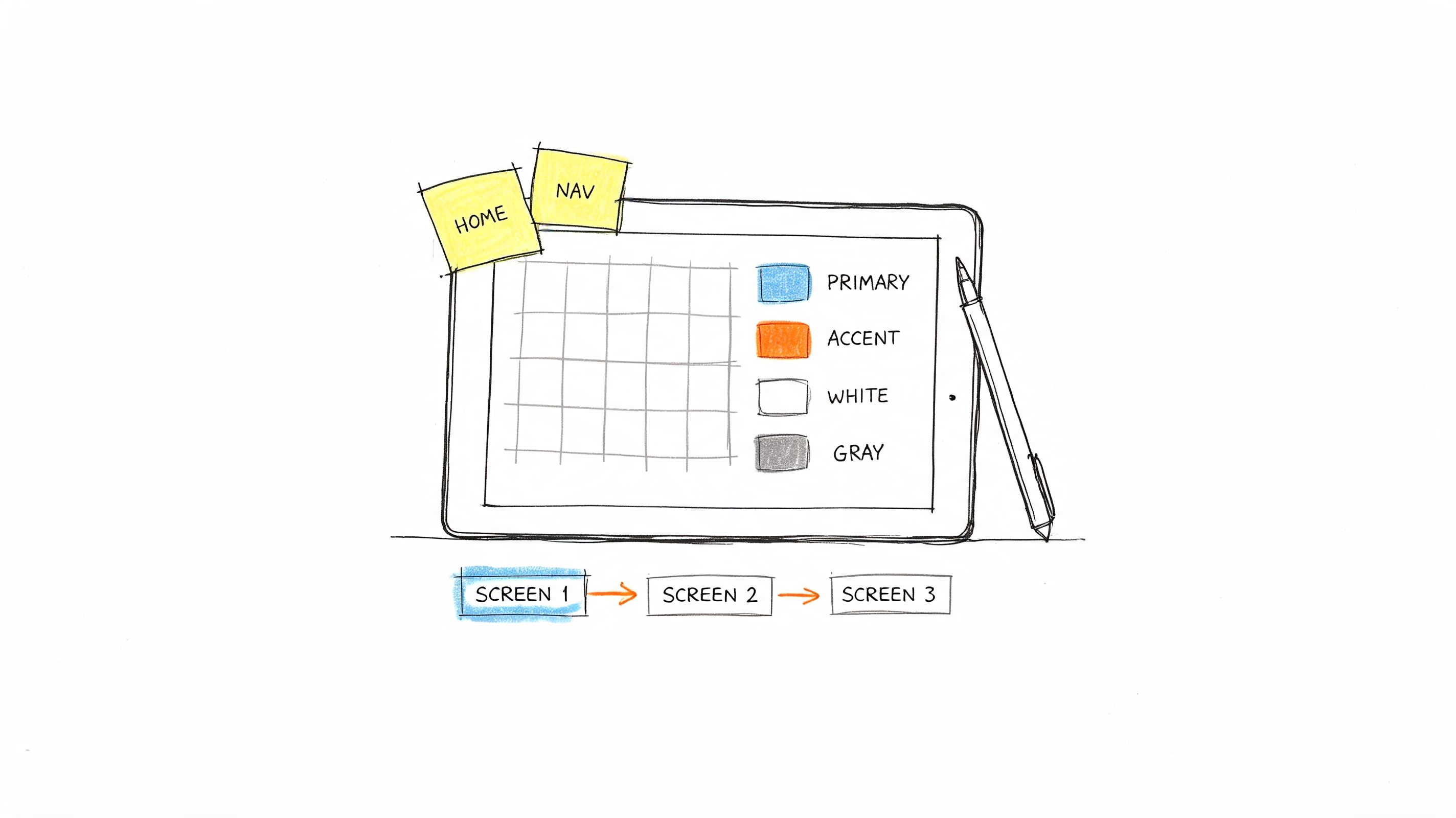
Design is one of the better remote paths for schedule control because a large share of the work happens alone. Research, wireframes, visual exploration, component cleanup, and usability review all benefit from uninterrupted time. The flexible version of this job is built around clear briefs and scheduled critique, not constant pings.
That distinction matters.
A posting can say “flexible hours” and still expect a designer to answer Slack all day, join same-day reviews, and turn around stakeholder edits at random. That is flexibility theater. Real flexibility shows up in how feedback is collected, how design requests are scoped, and how often the team needs live collaboration.
Figma made remote design easier because comments, prototypes, and handoff details can stay attached to the work itself. Strong remote teams use that setup to review async, leave specific feedback, and batch decisions into critique windows instead of interrupting designers every hour.
What strong flexible design roles usually have in common
The best remote design jobs give designers room to think, then ask them to defend decisions clearly. That is a healthier model than a reactive environment where every stakeholder treats design like instant service.
Look for signs like these:
- Case-study thinking: Employers want to see how you defined the problem, weighed constraints, tested options, and chose a direction.
- Clean files and systems: Organized components, naming conventions, version control, and handoff notes reduce back-and-forth.
- Research judgment: Designers who can run lightweight tests or synthesize user feedback usually earn more trust and more autonomy.
- Structured critique: Weekly or twice-weekly reviews often support flexibility better than ad hoc feedback throughout the day.
- Written context in the workflow: Good teams expect rationale in comments, tickets, or specs so design decisions do not depend on live explanation.
One more practical note. This short walkthrough is worth watching if you’re trying to understand how modern remote design work gets structured:
How to tell real flexibility from flexibility theater
Job descriptions usually reveal more than recruiters do.
Good signs include phrases like “documented feedback process,” “design system maturity,” “async collaboration,” “weekly critique,” or “clear product briefs.” Those signals suggest a team has already solved some of the operational problems that destroy schedule control.
Be careful with listings that emphasize:
- Fast-turn creative support for multiple teams
- High responsiveness during business hours
- Frequent stakeholder syncs
- Same-day iteration requests
- A wide mix of brand, product, and marketing work with no intake process
Those roles can still be remote. They are often not flexible in practice.
Questions to ask before you accept
Use the interview to test the operating model.
Ask how feedback is delivered. Ask whether designers are expected to be online for live review throughout the day or if comments are gathered in batches. Ask who has final approval on design work, how many review rounds are typical, and whether product managers or engineers write clear requirements before design starts.
I also recommend asking to see how work enters the queue. If the answer sounds messy, the job will feel messy. Weak intake systems create false urgency, and false urgency is what usually kills flexibility for remote designers.
How to stand out in the hiring process
A polished portfolio is not enough. Hiring managers for remote design roles want proof that your work travels well without you in the room.
Show projects with:
- Problem framing
- Constraints and trade-offs
- User or stakeholder input
- Iterations and rejected options
- A clear business or product outcome
That kind of portfolio signals maturity. It also helps separate you from applicants who only show final screens.
Pay also varies widely by specialty and company type. Brand production work, product design, UX research, and design systems work are paid differently. Designers who tie their work to conversion, retention, onboarding, accessibility, or engineering efficiency usually have a stronger case for better compensation than designers who present their value as visual taste alone.
6. Data Analyst (Remote)
Data analysis is one of the cleanest examples of async-friendly work. Good analysts need uninterrupted time to query data, validate assumptions, build dashboards, and write up findings. That makes the role a natural fit for work from home jobs with flexible hours.
The ideal remote analyst role has a simple rhythm. Stakeholders ask better questions in writing, the analyst investigates independently, and the result comes back as a dashboard, memo, or recorded walkthrough. That’s far more flexible than a meeting-heavy analytics culture where every answer has to happen live.
The skill stack that supports autonomy
SQL is still the foundation. Beyond that, Python or R helps, and dashboard tools matter, but written communication is what separates analysts who get schedule freedom from analysts who become ad hoc reporting machines.
Strong remote analysts usually do three things well:
- Frame the business question: They don’t just pull data. They clarify what decision the company is trying to make.
- Document caveats: They explain limitations before someone misreads a metric.
- Package insights clearly: Their work can travel without them needing to present it in person every time.
GitLab, Stripe, Zapier, and Notion-style environments reward that approach because distributed teams already rely on written context.
What to watch for in job descriptions
If the listing emphasizes “rapid-fire requests,” “high responsiveness,” or “real-time stakeholder support,” expect less flexibility. That setup can still be remote, but it won’t feel autonomous.
More promising language includes product analytics, experimentation, metric ownership, embedded insights, or dashboard strategy. Those terms often point to a role with deeper work and fewer interruptions.
This is also a role where technical bar matters. Entry-level candidates face steeper competition for fully remote work, so portfolios matter. A well-documented GitHub project, a public analysis, or a concise write-up of how you approached a dataset can do more than generic resume bullets.
7. Virtual Assistant & Operations Coordinator (Remote)
Administrative support is one of the easiest remote categories to misread. A role can look flexible on paper, then turn into full-day interruption management once you start.
The difference is scope.
A solid remote operations role has named processes, clear owners, and response windows. You manage inboxes, update systems, schedule meetings, prep documents, track follow-ups, and keep recurring workflows on time. That work can be grouped into blocks. A weak posting usually hides constant context switching behind vague phrases like “support a fast-paced team” or “wear many hats.”
That is why I usually tell candidates to search beyond “virtual assistant.” “Operations coordinator,” “executive operations assistant,” and “admin coordinator” often signal more business process ownership and less catch-all personal support.
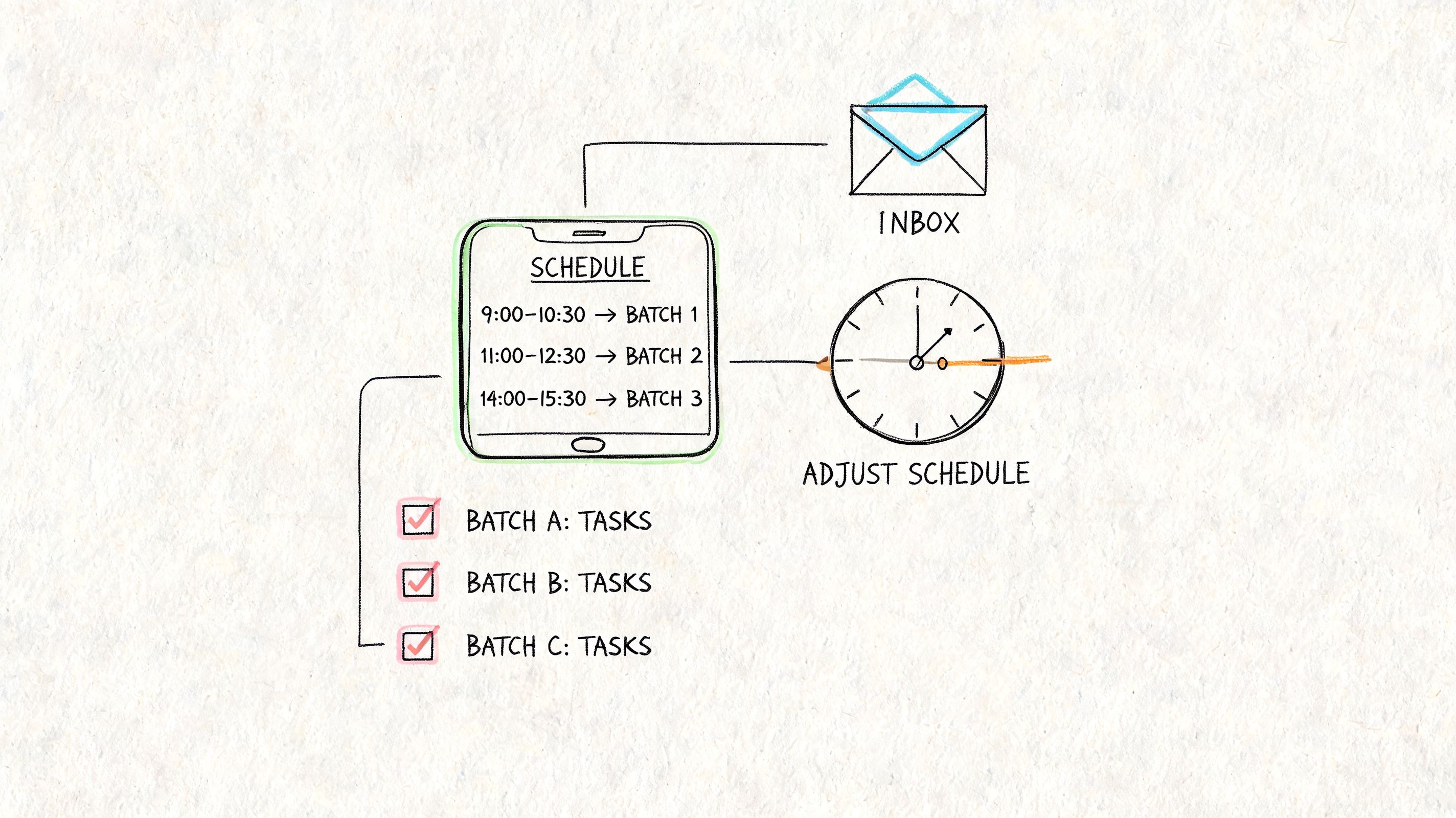
How to spot real flexibility versus flexibility theater
The best remote operators build repeatable systems. They use Notion, Airtable, Asana, ClickUp, Zapier, and calendar rules to reduce live requests. Schedule freedom usually comes from process design, not from a friendly sentence in the job ad.
Look for these signals before you apply:
- Recurring workflows: Weekly reporting, inbox triage blocks, meeting prep, CRM cleanup, vendor follow-up.
- Process improvement work: The role includes documenting SOPs, fixing bottlenecks, or improving handoffs.
- Written response expectations: The company defines a turnaround time instead of expecting instant replies.
- Clean scope: Business operations, executive support, and personal errands are clearly separated.
- Tool ownership: You are trusted to maintain systems, not just wait for instructions.
Be careful with listings that mention “high responsiveness,” “founder support,” or “ad hoc assistance” without defining boundaries. In practice, that often means your calendar belongs to someone else.
Questions to ask before you accept
This role gets better or worse based on a few details. Ask them directly in interviews:
- What requires same-day response, and what can wait until the next work block?
- How much of the role is calendar and inbox coverage versus project coordination?
- Are there written SOPs already, or is the hire expected to build them?
- Who can assign work, one manager or several stakeholders?
- Are personal tasks ever included? If yes, how often?
Those answers tell you more than the word “flexible” ever will.
Why this path still deserves attention
Operations support remains a practical path for candidates who are organized, tech-comfortable, and strong in written communication. It also gives job seekers a real edge if they can show proof of system thinking. A sample SOP, an onboarding checklist, a meeting cadence template, or a simple Airtable workflow says far more than “detail-oriented” on a resume.
This is also where direct-sourcing tools help. General job boards mix true remote operations roles with hybrid admin jobs and vague assistant postings. A remote-first job source such as Remote First Jobs can make it easier to find teams that already work asynchronously, which usually leads to clearer boundaries and better schedule control.
8. Sales Development Representative (SDR) & Account Executive (AE) (Remote)
Sales is one of the easiest remote categories to misread. A role can be fully remote, pay well, and still give you almost no control over your day.
The difference usually comes down to how the team sells. If the company relies on inbound demos booked across fixed hours, expects replies within minutes, and monitors activity by the hour, flexibility is mostly theater. If the team batches outbound work, defines lead coverage rules, and judges reps on pipeline quality and closed revenue, schedule control is much more realistic.
What genuine flexibility looks like in remote sales
SDR roles tend to offer the best schedule control when prospecting is structured. Good setups usually include:
- clear account lists and territory rules
- automated sequencing tools for email and follow-up
- defined call blocks instead of all-day calendar exposure
- response time standards that are specific, not implied
- managers who review conversion rates, not just dial counts
AE roles can also be flexible, but only in the right environment. Mid-market and SMB AEs often have more room to shape their day than enterprise reps handling long buying committees, late-stage negotiations, and constant internal calls. A stable territory helps. So does a company with clean handoffs from SDR to AE.
How to test whether “flexible” is real or just recruiting language
Job descriptions rarely say, “You will be online all day.” They signal it indirectly.
Treat these phrases as prompts to investigate:
- “Fast-paced, high-volume environment” often means constant lead coverage.
- “High responsiveness” usually means tight reply-time expectations.
- “Strong activity discipline” can mean close surveillance of calls, emails, and CRM usage.
- “Own your number” is fine on its own, but ask whether ownership comes with autonomy or micromanagement.
- “Startup mentality” can mean broad freedom, or it can mean no boundaries at all.
Sales hiring copy is especially noisy, so direct sourcing helps. Remote First Jobs reports, based on its own internal platform data, that it scans 21,000+ company career pages, surfaces 44,000+ active remote jobs, and tracks 200,000+ monthly job inflows. That matters for sales candidates because reposted jobs and generic board listings often waste time and bury the teams that already know how to run remote sales.
Questions to ask before you accept an SDR or AE role
OTE gets attention. Workflow decides whether the role is flexible.
Ask these in interviews:
- What is the expected response time for inbound leads?
- How many hours per day are typically spent on live calls or demos?
- Are calendars self-managed, or are meetings assigned centrally?
- How is performance reviewed: revenue, meetings booked, conversion rates, or raw activity volume?
- What parts of the day are fixed because of territory or time zone coverage?
- How often do managers review call blocks, Slack status, or CRM activity in real time?
Listen for specifics. Strong teams can answer these quickly because they have operating rules. Vague answers usually mean the rep absorbs the chaos.
A remote sales job can be location-flexible and still be schedule-rigid.
That distinction matters more in sales than in almost any other remote path on this list.
9. Marketing Specialist (Content, Email, SEO, Social) (Remote)
Marketing is one of the few remote fields where output is often judged weekly or monthly instead of hour by hour. That can create real schedule freedom. It can also create flexibility theater if the company expects instant replies, same-day revisions, and constant cross-functional check-ins.
The job title alone does not tell you which version you are getting.
Email, SEO, and content roles usually offer the best odds of flexible hours because the work is planned in campaigns, calendars, and publishing cycles. Social roles vary more. A social specialist who manages a content queue may have decent control over their day. A social specialist who also owns community management, executive posting, and trend response may be tied to the clock.
The primary separator is operating model, not channel.
Which marketing specialties tend to be the most flexible
Teams with mature workflows give marketers room to work asynchronously. Teams without them turn every campaign into a fire drill.
Here is the practical breakdown:
- Email marketing: Often strong for flexibility if the role focuses on lifecycle flows, segmentation, testing, and reporting.
- SEO: Usually one of the best options because research, on-page updates, content briefs, and audits are deadline-driven rather than meeting-driven.
- Content marketing: Can work well if editorial calendars are stable and approvals are predictable.
- Social media: Often the least flexible of the four if the role includes live engagement, customer escalation, or rapid-response posting.
How to spot real flexibility versus flexibility theater
A solid remote marketing job description usually includes campaign ownership, reporting cadence, tools, and decision rights. Weak listings stay vague and sell lifestyle.
Check for these signals before you apply:
- Good sign: Clear scope such as lifecycle email, SEO content strategy, or paid social creative testing.
- Good sign: Defined metrics like qualified pipeline, organic traffic quality, conversion rate, or retention lift.
- Warning sign: Broad phrases like “wear many hats” with no channel boundaries.
- Warning sign: Heavy emphasis on being “always available,” “fast-paced,” or “high-energy” without explaining workflow.
- Warning sign: A four-channel role assigned to one person with no mention of automation, approvals, or support.
This is one area where direct sourcing helps. Company career pages often reveal more than job boards do because you can compare how remote-native teams describe planning, handoffs, and ownership. Tools such as Remote First Jobs can save time here by surfacing roles directly from employer sites instead of burying them under reposted listings.
What helps you stand out
Hiring managers want proof that you can run a channel without creating extra coordination cost.
Focus on evidence like this:
- Channel specialization: Start with one clear strength, such as lifecycle email, technical SEO, or B2B content.
- Workflow fluency: Show that you know the tools and the process, not just the creative side.
- Portfolio proof: Share briefs, dashboards, experiments, campaign write-ups, or before-and-after performance examples.
- Business context: Explain how your work affected pipeline, signups, activation, retention, or content efficiency.
Questions to ask in interviews
Candidates distinguish a flexible remote role from a remote job that still controls your day.
Ask:
- How much of this role is planned work versus same-day requests?
- Who approves copy, assets, and campaign changes, and how long does that usually take?
- Are response-time expectations documented for Slack and email?
- How many recurring meetings are on the calendar each week?
- Does this role include community management or after-hours monitoring?
- How are priorities set when sales, product, and leadership all want changes at once?
Strong teams answer with specifics. Weak teams answer with slogans.
Marketing can be a very good path if you want remote work with flexible hours. The best roles are narrow enough to own, measured by outcomes, and supported by a team that plans ahead. The worst ones bundle four jobs into one title and call that autonomy.
10. Freelance Project-Based Contractor (Specialized Services)
Contracting gives you the most control over your calendar, but only if you build the business to support that control. Otherwise, you end up with flexible hours on paper and client chaos in practice.
This path works best for people who can sell a specific outcome, price it clearly, and protect their time. The work itself may be remote and flexible. The client relationship decides whether it stays that way.
What real flexibility looks like in freelance work
The strongest contractor setups are built around scope, not availability. Clients buy a deliverable, timeline, and communication cadence. They are not buying unlimited access to your day.
That distinction matters.
A contractor offering “general marketing support” often gets pulled into urgent requests, scattered feedback, and vague ownership. A contractor who fixes onboarding email sequences for SaaS teams, audits analytics implementation, writes technical documentation, or designs product onboarding flows can set cleaner terms because the service is easier to understand and easier to price.
Use this test: can a buyer understand what you do, what they get, and how long it takes in under 30 seconds? If not, the offer is still too broad.
How to spot flexibility theater in freelance opportunities
Freelance listings can promise autonomy while expecting employee-style responsiveness. Read for signs of control, not just the word “flexible.”
Watch for these patterns:
- Open-ended scope: Phrases like “help with anything needed” usually lead to calendar sprawl.
- Real-time availability requirements: If a client wants coverage across the full workday, that is closer to hourly support than project work.
- No decision-maker named: Slow feedback creates rushed deadlines later.
- Unlimited revisions: That shifts planning risk from the client to you.
- Urgency-heavy language: “Fast-paced” and “must thrive under pressure” often mean weak planning.
Good freelance work is structured. Bad freelance work is reactive.
The contractor model that holds up
Freelancers who want schedule control usually need four things in place:
- Defined deliverables: Clear scope reduces last-minute changes.
- Repeatable packages or retainers: Recurring work makes income less erratic.
- Written boundaries: Response windows, meeting limits, and revision rounds should be in the agreement.
- Proof tied to outcomes: Case studies, before-and-after examples, and process documents sell better than generic skill lists.
Platforms such as Toptal, Gun.io, Braintrust, Upwork, and Fiverr can all produce work, but they serve different markets and buyer expectations. The better question is not which platform is best. It is whether your service is specific enough to be purchased without a long sales call.
Questions to ask before accepting a contract
Freelancers who protect flexibility ask direct questions early:
- What is the exact deliverable for this project?
- Who gives final approval?
- How many revision rounds are included?
- What response time do you expect on weekdays?
- Are meetings required, and how often?
- What happens if inputs or feedback arrive late?
Clear answers usually signal a client who respects project work. Vague answers usually lead to scope creep.
Who should choose this path
This route fits people with a marketable specialty, a small portfolio of proof, and enough financial margin to handle uneven months. It is a strong option for experienced operators who want control over their week and are comfortable running the business side of their work.
It is a weaker fit for anyone who needs steady pay, employer benefits, or low uncertainty.
Done well, freelance contracting offers real flexibility. Done poorly, it recreates the worst parts of a job, except you also have to find the next client yourself.
Flexible Remote Roles: 10-Point Comparison
| Role | 🔄 Implementation complexity | ⚡ Resource requirements | 📊 Expected outcomes | 💡 Ideal use cases | ⭐ Key advantages |
|---|---|---|---|---|---|
| Full-Stack Software Engineer (Remote) | High, end-to-end systems, cross-stack ownership | High, advanced dev skills, CI/CD, infra access | Product features, reliability, roadmap impact | Product teams needing cross-functional ownership at remote-first companies | High pay + autonomy, direct product impact ⭐⭐⭐⭐ |
| Content Writer & Technical Writer (Remote) | Medium, research, editing, domain expertise for technical docs | Low–Medium, laptop, CMS, SEO and writing tools | Published content, documentation, measurable engagement | Content marketing, docs, knowledge bases, niche technical writing | Flexible schedule, portfolio growth, scalable freelance income ⭐⭐⭐ |
| Customer Success Manager (Remote) | Medium, CRM workflows, client relationship management | Medium, CRM, comms tools, product knowledge | Retention, renewals, NPS and expansion metrics | SaaS accounts, post-sale adoption, enterprise customers | Revenue impact, commission upside, clear career path ⭐⭐⭐ |
| Product Manager (Remote) | High, cross-functional coordination, prioritization, docs | Medium–High, analytics, roadmap tools, stakeholder time | Strategy, prioritized roadmap, product metric improvements | Product-led orgs that value async decision documentation | Strategic influence, high compensation and equity upside ⭐⭐⭐⭐ |
| Graphic Designer & UI/UX Designer (Remote) | Medium, iterative design, prototyping, review cycles | Medium, design tools (Figma), prototyping, portfolio | Mockups, prototypes, improved UX metrics and conversions | Product and marketing design, SaaS UI/UX work | Creative flexibility, portfolio-driven opportunities ⭐⭐⭐ |
| Data Analyst (Remote) | Medium–High, SQL, stats, data validation, stakeholder translation | Medium, SQL/Python, BI tools, dataset access | Dashboards, actionable insights, data-driven decisions | Product analytics, metrics tracking, cross-functional reporting | High demand, transferable skills across industries ⭐⭐⭐⭐ |
| Virtual Assistant & Operations Coordinator (Remote) | Low, task-based workflows, strong organization | Low, PM tools, email/scheduling apps | Organized operations, scheduled meetings, cleared inboxes | Founders, small teams, cross-timezone admin coordination | Entry accessibility, extreme schedule flexibility ⭐⭐ |
| Sales Development Rep & Account Executive (Remote) | Medium, prospecting processes, negotiation, quota management | Medium, CRM, outreach tools, call/video setup | Meetings booked, pipeline growth, closed revenue | Revenue-focused orgs scaling outbound/inbound sales | Very high income potential, objective performance metrics ⭐⭐⭐⭐ |
| Marketing Specialist (Remote) | Medium, campaign planning, channel execution, analytics | Medium, automation, analytics, content tools | Traffic, leads, engagement metrics, campaign ROI | Growth teams, content-driven companies, channel specialists | Transferable skills, automation enables flexible schedules ⭐⭐⭐ |
| Freelance Project-Based Contractor (Specialized Services) | Variable, delivery + client management + business ops | Variable, specialist tools, self-marketing, admin time | Project deliverables, variable income, broad client network | Specialists seeking autonomy, consultants, short-term projects | Maximum flexibility and rate control; scalable by niche ⭐⭐⭐⭐ |
Your Action Plan for Finding and Winning a Flexible Job
Remote job seekers lose time in two places. They apply to roles that were never flexible, and they enter applicant piles too late.
Treat this search like a screening process, not a keyword hunt. “Remote” only tells you where the work happens. It does not tell you who controls your calendar, how meetings are handled, or whether managers expect instant replies all day.
Separate real flexibility from flexibility theater
Strong remote companies describe how work gets done. Weak ones describe a perk.
Read job posts with a simple filter:
Green flags
- Clear mention of asynchronous communication
- Written processes and documented workflows
- Performance tied to outputs, projects, or KPIs
- Explicit flexibility on start and end times
- Cross-time-zone collaboration norms
- Low-meeting or meeting-light culture
Red flags
- “Flexible” paired with “must be available during standard business hours”
- Heavy emphasis on responsiveness
- Vague work-life balance claims with no operating details
- Repeated references to urgency, fast turnarounds, and constant collaboration
- No explanation of how the team works across locations
One line I pay close attention to is “highly collaborative.” That can mean healthy teamwork. It can also mean your day gets fragmented by Slack pings and recurring meetings. The surrounding language tells you which version you are looking at.
Ask interview questions that reveal the real schedule
Candidates often ask whether a role is flexible. Hiring managers can answer “yes” and still mean “you need to be online from 9 to 5.”
Ask narrower questions instead:
- How is success measured in this role?
- What does a normal week of meetings look like?
- Which hours are fixed, if any?
- How quickly are people expected to respond on Slack or email?
- How does the team handle collaboration across time zones?
- What work usually happens live versus in writing?
These questions get better answers because they focus on operating habits, not branding.
Listen for specifics. “We have team meetings on Tuesdays, client calls happen in the afternoon, and the rest of the work is self-managed” is useful. “We offer a lot of flexibility” is not.
Find jobs before they hit the crowded boards
Search source matters.
Large job boards are fine for market research, but they are crowded and slow. Many remote roles have already circulated widely by the time you see them there. For flexible jobs, early visibility matters because the best employers often attract strong applicants fast.
Remote First Jobs gives you that advantage. It pulls verified openings directly from remote-first company career pages and ATS feeds, which helps you find fresh roles before they get buried under reposts, staffing firm duplicates, and fake remote listings. It is also a practical filter if you are tired of “remote” jobs that turn hybrid halfway through the application process.
That direct-sourcing approach is one of the few real edges job seekers can control.
Make your application prove autonomy
Hiring teams do not need another resume that says “self-starter.” They need evidence that you can work without constant supervision.
Show that in three places:
1. Resume
- Include ownership language such as “ran,” “shipped,” “documented,” “improved,” or “managed”
- Mention async tools only if you used them in real work
- Tie remote work to outcomes, not location alone
2. Cover letter
- Use one short example that shows independent execution
- Explain how you handled communication, prioritization, or documentation
- Keep it specific to the role
3. Proof asset
- Portfolio case study
- Loom walkthrough
- Notion project summary
- Process sample
- Writing sample or dashboard snapshot, if relevant to the role
For operations, product, design, analytics, and freelance work, a proof asset often does more than another paragraph of claims. I have seen candidates with average resumes move ahead because they showed exactly how they think and communicate.
Flexibility is easier to win when employers can see that you do not need minute-by-minute supervision.
Define the kind of flexibility you actually need
Job seekers often make avoidable mistakes: they chase “flexible hours” without defining the constraint they are trying to solve.
Your target might be:
- school-hour availability
- a split schedule
- part-time work
- low-meeting days
- a compressed week
- asynchronous collaboration across time zones
- work that can be done early morning or late evening
Each one points to different roles and different employers. A customer success role may be remote but still require live coverage windows. A writing or analytics role may give far more control over your day. A freelance contract may offer total scheduling freedom but less income stability.
Be honest about the trade-off. More autonomy sometimes means more self-management, less training, or fewer boundaries between work and personal time.
Use a tighter search process
A practical search system looks like this:
- Build a short list of role types that match your schedule needs.
- Search for companies, not just jobs.
- Read the posting for operating details, not perk language.
- Apply early when a role appears on a direct source.
- Tailor your application around independent execution.
- Use the interview to test how the team works.
- Walk away from vague answers.
If you want another edge in your search, strengthen how you present yourself publicly and build your LinkedIn brand. Hiring teams still check.
The best work from home jobs with flexible hours usually go to candidates who can do three things well. Spot real flexibility, apply before the crowd, and show clear evidence of independent work.