You open three remote admin job posts in a row. The first says Executive Assistant, but the work reads like chief of staff support. The second says Administrative Assistant, yet it asks for project tracking, tool ownership, and cross-functional coordination. The third says Office Manager for a company with no office.
That title confusion costs candidates real opportunities.
Remote-first companies often use admin position titles loosely, and the label on the posting does not always match the level of ownership, pay range, or growth path behind it. That matters because applicant tracking systems screen for title and keyword matches before a recruiter reviews your resume. If your background says Office Assistant but the company is filtering for Operations Coordinator, your application can miss the shortlist even when your experience fits.
The fix is practical. Read titles as signals, not facts. Look at the systems you would own, the team you would support, the tools named in the post, and whether the company wants task coverage or operating support. In remote teams, older admin labels have stretched. “Office Manager” may now mean internal operations across Slack, Notion, Zoom, onboarding workflows, and vendor coordination rather than managing a physical front desk.
That shift has created more paths, not fewer. Admin work now branches into executive support, operations, HR, recruiting, finance, customer support, marketing, legal, and project delivery. The strongest candidates do not apply to all of them. They target the lane that matches their actual strengths, then mirror the right ATS language on their resume and LinkedIn.
This guide is built for that reality. It breaks down the admin titles you are most likely to see in remote hiring, explains what each one usually means now, and shows where titles overlap enough to confuse even experienced applicants.
It also gives you the keywords and resume framing that help you compete earlier. If you want a cleaner search process, use Remote First Jobs to spot verified remote roles before they get buried on mainstream boards.
1. Executive Assistant
A founder finishes a late investor call, wakes up to three rescheduled meetings, two urgent approvals, and a board deck that still needs cleanup before noon. In a remote company, the Executive Assistant is often the person who prevents that kind of pileup from turning into lost time and sloppy decisions.
The modern EA sits close to the highest-stakes work in the business. In founder-led and distributed teams, that usually means protecting executive focus, spotting conflicts early, tightening communication, and pushing follow-through across functions without needing constant direction.
What this title usually means now
Remote work changed the center of gravity for this role. In an office, an executive could rely on hallway access and quick course corrections. In a remote-first team, the EA has to build that reliability through systems, written communication, and judgment.
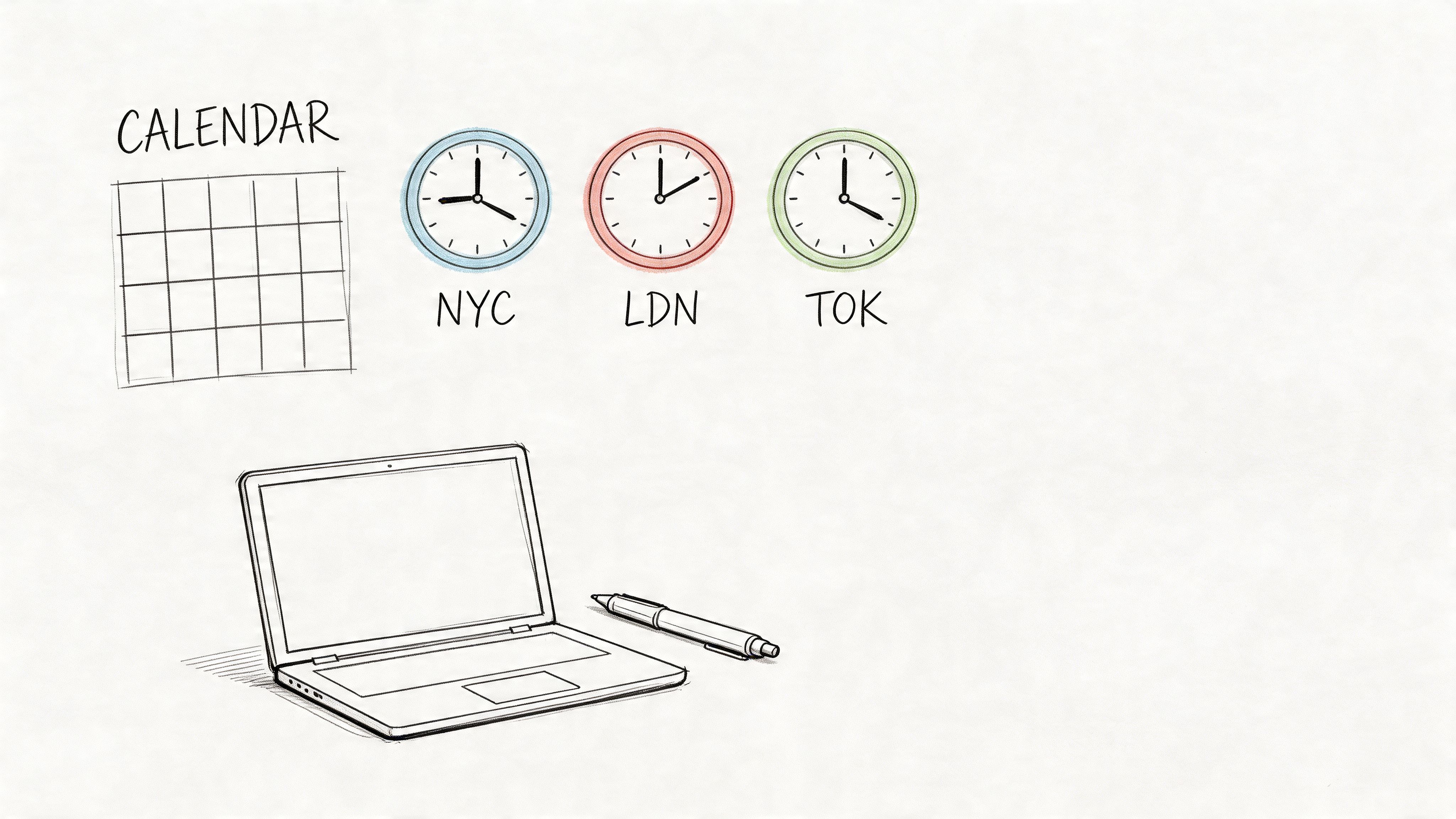
That is why strong remote EAs tend to stand out in a few specific ways. They write clearly, manage across time zones, make sound calls with partial information, and keep projects moving in async tools instead of waiting for live meetings.
An EA may support one executive, a small leadership team, or a founder and their broader operating rhythm. The day-to-day work can include calendar ownership, inbox triage, meeting prep, travel planning, board materials, offsite coordination, executive communications, and follow-up on open decisions.
The primary test is scope.
Some postings use “Executive Assistant” for a scheduling-heavy support role. Others use the same title for what is effectively a chief-of-staff-lite position with project ownership and leadership coordination built in. Candidates who read that difference correctly apply better, interview better, and price themselves better.
Practical rule: If the job description mentions board support, investor communication, strategic initiatives, meeting ownership, or cross-functional follow-up, treat it as a senior EA role even if the title sounds standard.
ATS keywords and resume language
For remote EA searches, title matching matters, but keyword matching often decides whether your resume gets seen at all. Mirror the language only when it reflects work you have done.
Use terms like these where they fit:
- Executive calendar management: complex scheduling, priority management, time zone coordination, gatekeeping
- Leadership support: board materials, meeting agendas, executive communications, stakeholder follow-up
- Remote operations tools: Slack, Zoom, Google Workspace, Microsoft 365, Notion, Asana, Monday.com
- Project support: action-item tracking, offsite planning, travel coordination, decision follow-through
Specificity wins here. “Managed executive calendars” is serviceable. “Coordinated shifting leadership schedules across North America and Europe, prepared weekly board materials, and tracked post-meeting action items in Asana” gives a hiring team and an ATS much more to work with.
A resume tip I give often. If your last title was Administrative Assistant or Office Assistant, but your actual work included executive scheduling, leadership communications, and project coordination, your bullets need to show that scope plainly. You do not need to inflate the title. You do need to document the level.
For job search strategy, search beyond “Executive Assistant” alone. Remote employers also post this work under Senior Executive Assistant, Founder’s Associate, Executive Operations Assistant, Executive Coordinator, and sometimes Chief of Staff Assistant. Remote First Jobs is useful here because verified remote listings often show up there before they get copied across crowded mainstream boards, which gives strong applicants an earlier shot at roles that attract heavy competition fast.
2. Office Manager / Operations Coordinator
A remote startup hires 40 people in six months. Laptops need to reach new hires on time. SaaS access has to be provisioned and removed cleanly. Offsites need budgets, travel coordination, and backup plans. Internal requests pile up fast. The person holding that together may still be called Office Manager, but in remote-first companies the work is usually operations.
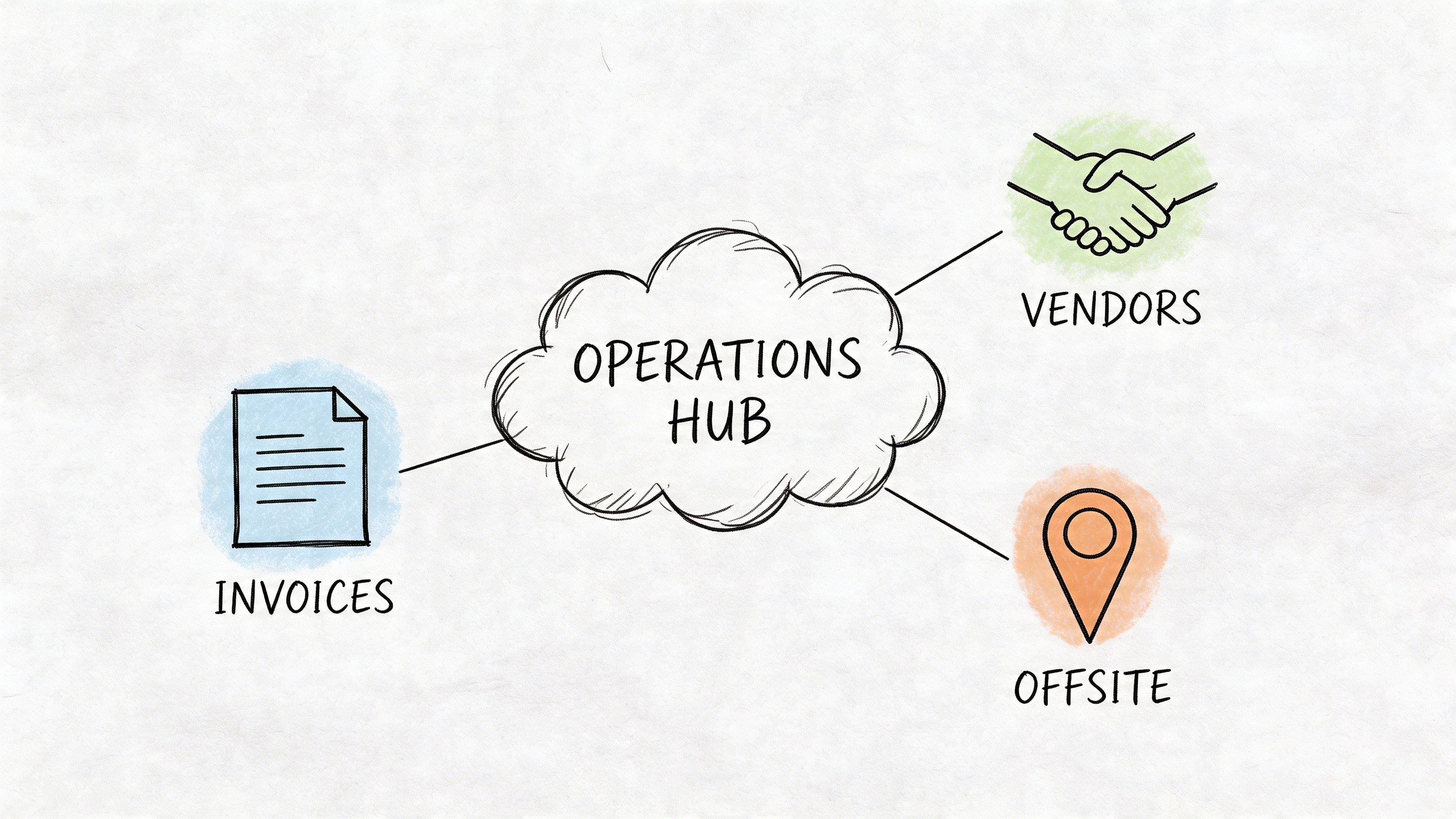
That is why this title trips people up. Office Manager can still mean facilities and day-to-day administration in a hybrid company. In a distributed team, it often points to process ownership, vendor management, procurement, onboarding logistics, documentation, and cross-functional coordination. Operations Coordinator is often the clearer remote label, but employers use both.
How the job has evolved remotely
In practice, this role now acts as the owner of the digital workplace. That can mean managing software licenses, keeping SOPs current, coordinating equipment shipments, supporting expense processes, handling vendor renewals, and creating order around messy internal requests.
The strongest candidates show operational judgment. They know which problems need a documented workflow, which ones need a vendor fix, and which ones need a clearer owner. That distinction matters in remote companies because small process gaps spread quickly across time zones and functions.
For job seekers, the title strategy matters too. Candidates who search only for “Office Manager” miss a lot of relevant openings. Search Operations Coordinator, Business Operations Coordinator, Workplace Operations Coordinator, People Operations Coordinator, and Remote Office Manager. On Remote First Jobs, those verified listings often appear before they are copied onto crowded job boards, which gives you an earlier look at roles that collect applications fast.
What works in applications
Hiring teams want evidence that you can keep distributed operations running without constant supervision. Resume bullets should show what you owned, which systems you used, and where you reduced friction.
- Operational scope: Include request intake, vendor management, purchasing, equipment logistics, onboarding coordination, policy documentation, and event support.
- ATS keywords: Use terms such as SOPs, procurement, workflow improvement, software provisioning, asset tracking, expense management, knowledge base maintenance, and cross-functional coordination.
- Remote tools: Name the stack directly if you have used it. Notion, Jira, Confluence, Airtable, Zendesk, Brex, Expensify, Google Workspace, and Slack all help a recruiter place your experience fast.
- Outcome language: Write bullets like “standardized laptop onboarding across U.S. hires” or “built intake process for facilities, vendor, and access requests” instead of vague phrases about helping with office tasks.
One resume trade-off comes up a lot here. If your official title was Office Manager but half your work sat in systems, vendors, and onboarding operations, keep the title accurate and let the bullets carry the modernization. That reads as credible. It also helps ATS matching without making your background sound inflated.
3. Administrative Assistant
You open a remote job post expecting basic calendar support and data entry. Halfway down, the responsibilities include meeting logistics across time zones, CRM updates, document control, expense reporting, and project follow-up with three departments. That is the reality of the Administrative Assistant title in remote-first hiring. It is broad, frequently underspecified, and still one of the best entry points into modern admin work if you know how to read it.
The title matters less than the operating scope. A remote Administrative Assistant may support one manager, a department, or an entire distributed team. Some roles stay close to classic admin work. Others edge into operations, project coordination, client support, or light executive assistance without changing the title.
That ambiguity creates both risk and opportunity.
Candidates who skim by title miss strong roles. Candidates who read for systems, stakeholders, and ownership can spot jobs with better growth potential, stronger pay, and cleaner alignment with their experience. In remote hiring, that usually means checking the stack, the reporting line, and whether the role owns recurring processes or only reacts to requests.
Why this title still matters
Administrative Assistant remains common because companies still need someone to keep work organized, documented, and moving. Remote teams just ask for that support in digital form. The work often includes calendar coordination, shared inbox coverage, file organization, meeting notes, travel booking, records upkeep, presentation formatting, and follow-through across cloud tools.
Good candidates do more than complete tasks. They reduce drag.
That is what separates a generic admin profile from one that gets interviews. If you can show that you kept information accurate, prevented scheduling conflicts, improved documentation, or made handoffs faster, the title starts to read as stronger than it looks on paper.
It is also one of the easier titles to find in applicant tracking systems because employers still use it as a default label. That helps job seekers, but it creates noise too. On Remote First Jobs, I would filter for Administrative Assistant, then scan for signals that the company shows it understands remote work: documented processes, async communication, explicit tool requirements, and clear ownership. Those roles are often better run, and verified listings can surface there before they spread to the largest boards.
Resume positioning that gets traction
Keep the title honest. Modernize the description.
A stronger resume line looks like this:
Supported a distributed team through calendar coordination, document preparation, records maintenance, and process documentation in Google Workspace, Slack, and Notion.
That works because it shows environment, scope, and tools in one line. It also gives ATS enough context to match you to remote admin searches.
Use keywords that reflect the actual work: administrative support, scheduling, records management, meeting coordination, documentation, travel arrangements, data entry, expense reporting, calendar management, inbox management, and cross-functional coordination. If you have used common remote tools, name them directly. Recruiters scan fast.
One trade-off comes up often with this title. Broad admin labels can help you appear in more searches, but they also pull you into lower-clarity job pools. The fix is not changing your title. The fix is writing bullets that show ownership, systems, and outcomes so hiring teams can tell whether you were a task-taker or the person who kept a remote team organized without constant direction.
4. Human Resources Administrator / HR Coordinator
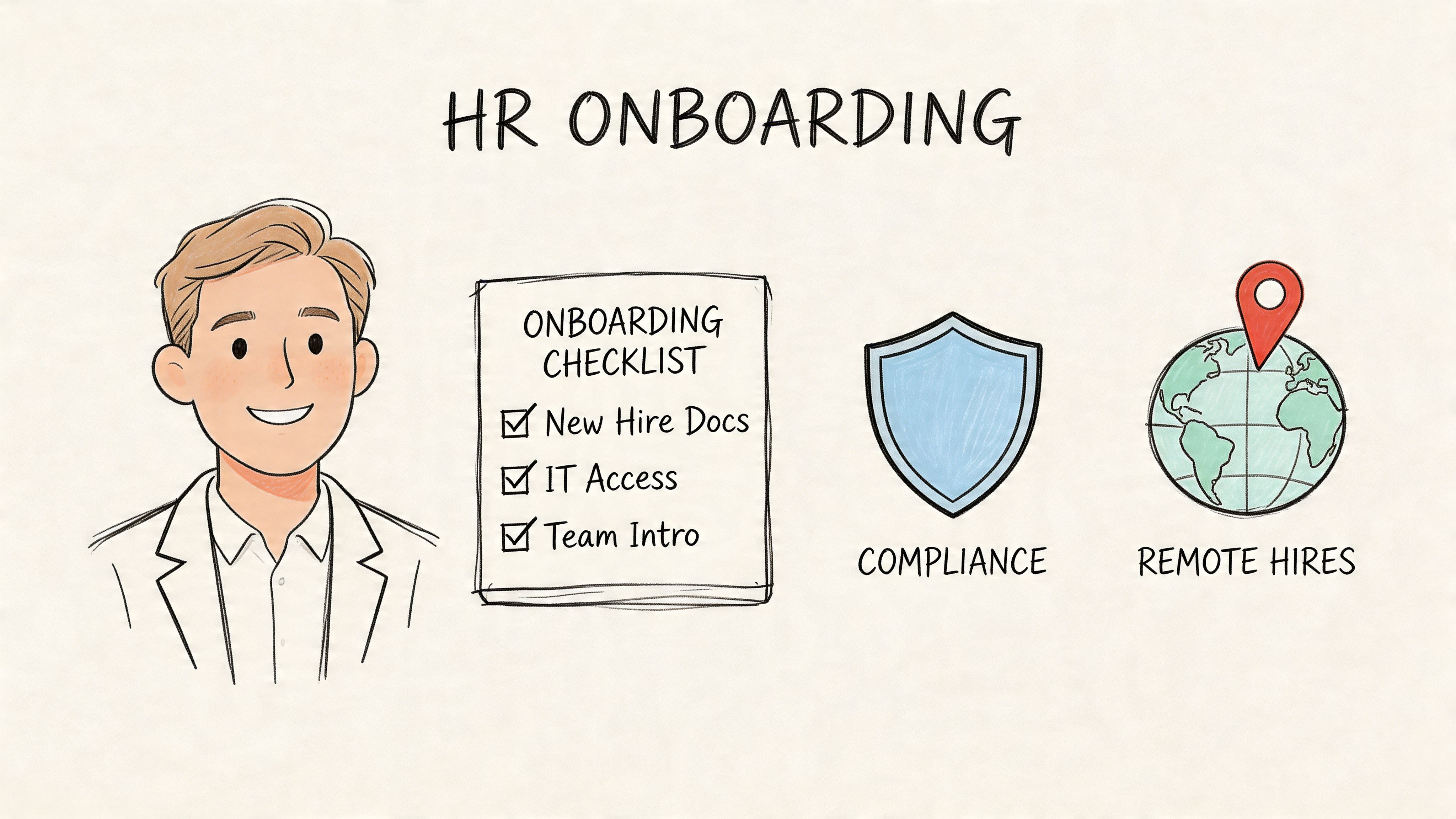
This role sits at the intersection of people operations and admin discipline. If you like structure, sensitive information, onboarding flow, and process consistency, HR Administrator and HR Coordinator titles are worth targeting.
Remote teams need these roles because hiring, onboarding, offboarding, and policy management become harder when no one is physically in the same office. Somebody has to keep records accurate, move paperwork on time, coordinate payroll inputs, and make sure a new hire’s first week doesn’t feel disorganized.
What hiring managers look for
They want trust and repeatability. If you’ve worked with employee files, HRIS systems, benefits coordination, onboarding checklists, handbook updates, or compliance documentation, say so clearly.
Healthcare is one of the strongest verticals for admin and customer support demand, with 110,900 roles posted in 2025. That matters for HR admin candidates because healthcare employers, benefits providers, and regulated companies often need people who can handle documentation and process detail well.
Best keywords for this path
- People operations support: onboarding, offboarding, employee records, HRIS, benefits administration
- Compliance language: policy documentation, audit readiness, payroll coordination, employment documentation
- Systems and workflow: BambooHR, Rippling, Greenhouse, DocuSign, background checks, leave tracking
What doesn’t work is sounding vague or overly warm. This is an admin role inside a people function. Employers want empathy, yes, but they also want precision.
Remote HR admins stand out when they can write a clean process doc, maintain confidentiality, and coordinate across HR, payroll, and managers without dropping details.
5. Customer Success / Support Administrator
A remote company closes a new account on Friday. By Monday, the client expects a clean handoff, accurate records, the right onboarding sequence, and fast answers if something breaks. Customer Success and Support Administrators keep that from falling apart.
In remote-first teams, this title usually sits between service and operations. The day-to-day work often includes cleaning up CRM data, coordinating onboarding tasks, tracking renewals, routing support issues, documenting account activity, and making sure customer follow-up does not depend on someone remembering it.
Where this title shows up
The title shifts a lot from company to company, which is why job seekers miss good openings. You might see Customer Success Administrator, Customer Operations Coordinator, Support Operations Specialist, Client Services Coordinator, or Success Operations Associate. “Office” language has changed in remote companies, and customer admin roles have changed with it. The work is less about a physical front desk and more about digital handoffs, system accuracy, and retention support across tools and time zones.
That makes this a strong fit for administrative candidates who like process, client communication, and cross-functional work, but do not want a quota-driven sales role or a pure inbox role.
What hiring managers look for
They want someone who can keep customer information clean and keep internal teams aligned. In practice, that means strong follow-through, comfort inside CRMs and help desk platforms, and the judgment to know when an issue needs escalation versus documentation.
For remote roles, ATS language matters. Use the exact systems and workflow terms you have used.
- CRM and support systems: Salesforce, HubSpot, Zendesk, Intercom, Pipedrive, customer records, ticket routing
- Lifecycle coordination: customer onboarding, renewal tracking, account handoff, support follow-up, client communication
- Reporting and admin detail: data cleanup, spreadsheet tracking, usage reporting, documentation, SOPs, note accuracy
A weak resume frames this as generic customer service. A stronger one shows operational value. “Managed shared inbox” is fine. “Maintained CRM accuracy, coordinated onboarding milestones, and documented renewals for account team visibility” is better.
If you are searching on Remote First Jobs, use title variations instead of one exact match. Verified remote employers often post these jobs under operations-heavy titles before they appear on large job boards, and that gives organized candidates an edge.
6. Recruiter / Talent Acquisition Coordinator
A hiring manager opens their calendar and sees six interview reschedules, two no-show candidates, and no feedback from yesterday’s panel. In a remote-first company, that mess lands on the Talent Acquisition Coordinator’s desk fast.
This title has become more important as hiring moved across tools, time zones, and async workflows. In many companies, the coordinator owns the operating system behind recruiting. They post jobs, schedule interviews, keep candidate records clean, chase feedback, coordinate background checks, and make sure offer paperwork does not stall.
What the title really signals
“Recruiter” and “Talent Acquisition Coordinator” can sit close together on job boards, but the work is different enough to matter on your resume. Recruiters usually spend more time sourcing, screening, and influencing candidates. Coordinators spend more time protecting speed, accuracy, and candidate experience across the funnel.
For remote roles, that often means stronger platform fluency than people expect. Hiring teams want someone who can work inside Greenhouse, Lever, Ashby, Workable, Gem, DocuSign, Google Calendar, and Slack without creating confusion or duplicate work. They also want judgment. A strong coordinator knows when to send a template, when to escalate a delay, and when a hiring process needs fixing instead of another follow-up.
How to position yourself for it
Use ATS and workflow language that matches the job description and your real experience. Good keyword clusters for this family of roles include interview scheduling, candidate communication, ATS maintenance, offer coordination, background checks, requisition support, hiring panel logistics, calendar management, and reporting.
Resume framing matters here. “Scheduled interviews” is true, but weak. A stronger line sounds like this: “Coordinated multi-stage interviews across time zones, maintained ATS accuracy, and reduced scheduling delays through standardized communication templates.”
That is the remote-first version of admin value. Clean process. Fewer handoff errors. Faster hiring decisions.
One more practical point. Verified remote employers often post these jobs under adjacent titles such as Recruiting Coordinator, Talent Operations Coordinator, People Operations Coordinator, or Hiring Coordinator before the role shows up widely on large boards. Search title variations on Remote First Jobs if you want earlier access and fewer low-quality listings.
If you are also exploring finance-adjacent admin paths, reviewing common process and documentation questions in Accounts Payable Interview Questions can sharpen how you talk about accuracy, approvals, and stakeholder follow-through in interviews.
7. Finance / Accounts Payable Administrator
You log in on a Monday morning and see three vendor emails marked urgent, two expense reports missing receipts, and an invoice that does not match the purchase order. In a remote company, nobody is walking over to accounting to sort it out. The admin who can catch the mismatch, follow the approval trail, and keep payments on time becomes very valuable, very fast.
Finance and accounts payable administration suits people who like clear rules, controlled workflows, and work that directly affects trust. Remote companies still need someone to process invoices, reimburse expenses, maintain vendor records, support reconciliations, and keep documentation ready for audit review. The title may be AP Administrator, Finance Administrator, Billing Coordinator, or Accounts Payable Specialist, but the core value is the same. Accuracy under deadlines.
Strong candidates show judgment, not just speed. Hiring managers want proof that you understand approval controls, duplicate invoice risks, policy exceptions, and vendor communication in a distributed setup where fraud attempts can be easier to miss. Familiarity with tools like Bill.com, Expensify, Concur, QuickBooks, NetSuite, or Sage helps, but process discipline is what gets trust.
There is also a remote-first title shift worth watching. Some companies avoid traditional admin labels and post these jobs under finance operations titles instead. If you search only “administrative assistant,” you will miss a large share of relevant openings. Search title variations on Remote First Jobs early, especially AP Administrator, Finance Operations Coordinator, Billing Administrator, Expense Coordinator, and Vendor Management Coordinator, if you want verified remote roles before they spread across larger job boards.
How to position yourself for it
Use resume language that signals control, follow-through, and clean documentation.
- Invoice workflow: invoice processing, coding, three-way matching, approvals, payment runs, vendor communication
- Expense administration: reimbursement review, policy compliance, receipt tracking, exception handling, discrepancy resolution
- Financial records: reconciliation support, audit documentation, vendor master maintenance, month-end support, record accuracy
Resume framing matters here. “Processed invoices” is accurate, but flat. A stronger version sounds like this: “Reviewed invoices against purchase orders and approvals, resolved discrepancies with vendors, and maintained accurate payment records across distributed finance systems.”
For interviews, prepare examples that show how you handled incomplete documentation, late approvals, or conflicting payment information without creating risk. Reviewing these Accounts Payable Interview Questions can help you answer with the level of process judgment finance hiring teams expect.
8. Content / Marketing Administrator
This is one of the best remote admin position titles for people who are organized, digitally fluent, and interested in creative teams without needing to be the person writing every campaign. Content and marketing teams are often buried under deadlines, assets, approvals, and moving launch dates. A strong admin or coordinator keeps that machinery from slipping.
In practice, that can mean content calendars, CMS updates, vendor coordination, file organization, campaign tracking, meeting notes, and status reporting.
Why this role is rising
Remote marketing teams lean heavily on async work. Someone has to maintain the calendar, keep assets organized, and make sure launch dependencies are visible. That’s especially true in distributed content teams where design, SEO, demand gen, and product marketing all work on different timelines.
A lot of hiring managers won’t call this “administrative” in the title, even when the work clearly is. You may see Marketing Coordinator, Content Operations Coordinator, Campaign Administrator, or Marketing Operations Assistant. If your search is too literal, you’ll miss these.
Best application strategy
Tailor your materials around systems support for marketing output.
- Workflow support: editorial calendars, campaign timelines, stakeholder follow-up, approval tracking
- Tool stack: Contentful, Webflow, WordPress, Airtable, Asana, Trello, Figma, GA4
- Asset and reporting language: digital asset management, UTM tracking, spreadsheet reporting, CMS publishing
What works well here is showing that you can support creative work without creating confusion. “Coordinated publication schedules and maintained campaign assets across the CMS and shared design files” is stronger than “Assisted marketing team with admin duties.”
9. Legal / Compliance Administrator
A remote company signs a vendor agreement in DocuSign, stores the final version in a shared drive, updates a policy in Notion, and asks three departments to follow the new process by Monday. If nobody owns the paperwork, version control, and follow-up, risk shows up fast. That is why Legal / Compliance Administrator has become a stronger remote-first admin path than many candidates realize.
The day-to-day work usually centers on contract routing, approval tracking, document repositories, records retention, signature collection, audit prep, and coordination with legal, finance, HR, or security. In smaller companies, this title may sit under operations or legal ops rather than a formal legal team. In job searches, that matters. Strong matches often appear under titles like Compliance Coordinator, Contracts Administrator, Legal Operations Assistant, Risk and Compliance Coordinator, or Policy Administrator.
What employers actually need
They need someone who keeps obligations visible and paperwork clean. Dates cannot slip. Versions cannot get mixed up. Approvals need a clear trail.
This role rewards candidates who can show precision under pressure. If you have handled document control, maintained filing systems, supported policy rollouts, tracked renewals, or coordinated signatures across stakeholders, you already have relevant experience. Remote teams care less about whether you worked inside a law firm and more about whether you can keep regulated processes organized without constant supervision.
The trade-off is real. This path is usually less outward-facing than customer support or recruiting, but it often offers more stability because contract, privacy, and policy work stays necessary even when teams cut back elsewhere.
Keywords that help
Use ATS language that matches controlled process work: contract administration, document control, compliance tracking, policy documentation, records retention, audit support, legal operations support, vendor agreements, confidentiality agreements, and external counsel coordination.
On your resume, specificity beats polished filler. “Tracked contract renewal dates and maintained signed agreement records across shared systems” carries more weight than “Supported legal team with administrative tasks.”
If you are the person who catches the expired certificate, the missing signature, or the outdated contract version before it causes a problem, this title deserves a close look.
10. Product / Project Management Administrator
Product and project environments create some of the best modern admin careers because they reward organization with real business impact. If you like structure, deadlines, handoffs, documentation, and keeping people aligned without constantly chasing them, this path deserves serious attention.
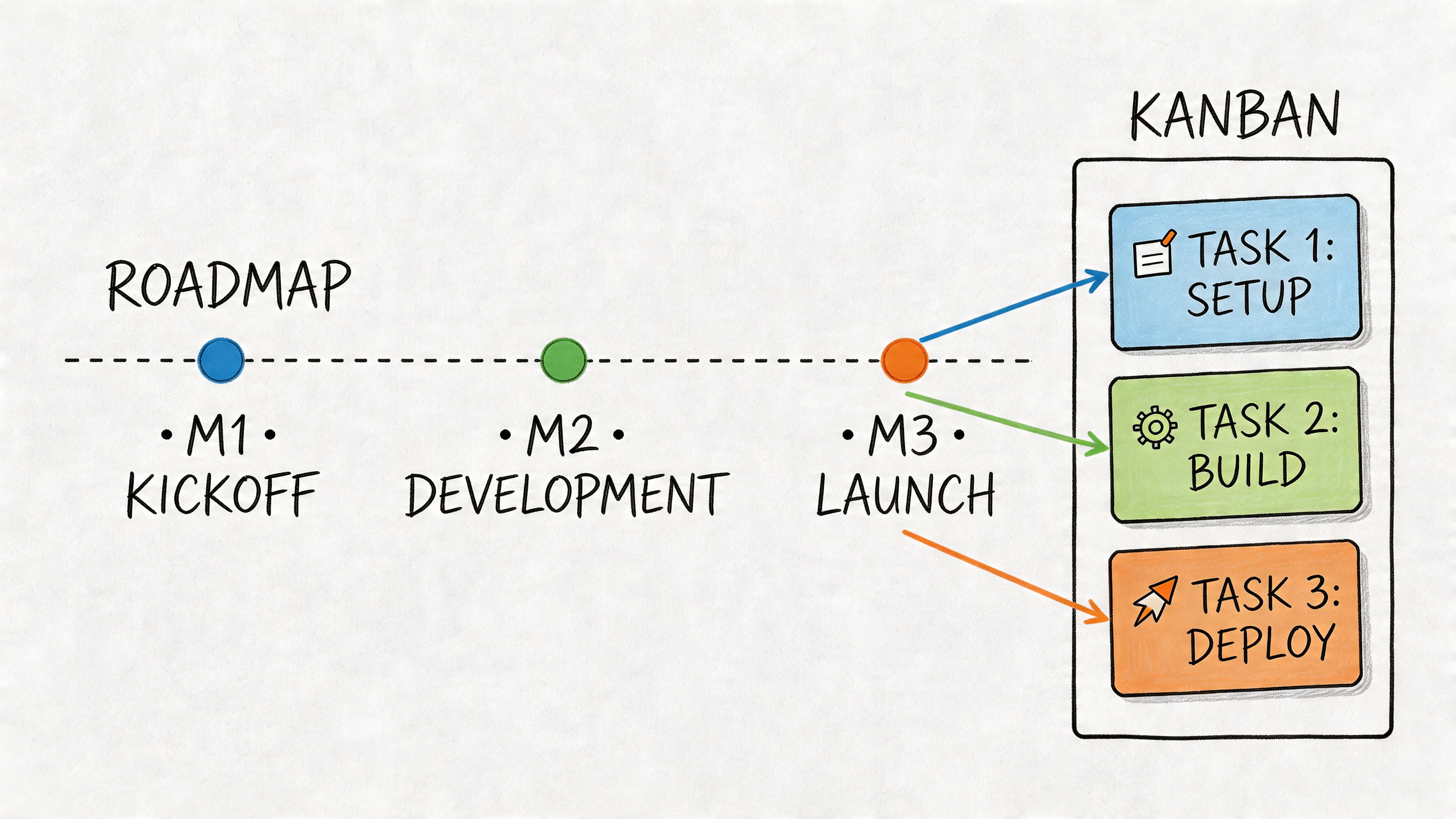
In remote-first teams, these roles often support roadmaps, sprint logistics, stakeholder updates, meeting notes, ticket hygiene, and documentation inside systems like Jira, Asana, ClickUp, Notion, or Linear.
Here’s the visual shape of the role in many teams:
Why this title matters in remote-first hiring
The old line between “admin” and “project support” has thinned out. Many remote companies now want administrators who can keep execution systems current, maintain documentation, and reduce meeting load through clear written updates.
There’s also a career-growth angle here. One of the biggest gaps in admin career content is the lack of remote-specific progression advice, even as role naming evolves in distributed teams, according to Genius’ discussion of administrative job title hierarchy. In real searches, that means candidates with admin backgrounds should actively look at project coordinator, product operations coordinator, and program support titles instead of waiting for the word “administrative” to appear.
How to sell your fit
Focus on execution support, not passive assistance.
- Project cadence: status updates, milestone tracking, backlog support, cross-functional follow-up
- Async communication: written summaries, meeting documentation, decision logs, risk tracking
- Tool ownership: Jira, Asana, Notion, ClickUp, Miro, roadmap maintenance
A practical search tip: on Remote First Jobs, pair role words such as “coordinator,” “operations,” “program,” “product ops,” and “project support” with admin terms. That usually surfaces stronger remote roles than searching only “admin assistant.”
If you want a quick primer on how many teams think about project coordination visually, this short video is a useful starting point:
Top 10 Administrative Roles Comparison
| Role | 🔄 Process / Complexity | ⚡ Resource requirements | 📊 Expected outcomes | 💡 Ideal use cases | ⭐ Key advantages |
|---|---|---|---|---|---|
| Executive Assistant | High, cross‑timezone exec coordination, strategic tasks | Advanced async tools (Notion, Asana), high executive access, flexible hours | Increased executive productivity and smoother strategic decisions | C-suite support in remote-first startups and scaleups | Direct strategic influence; trusted executive partner |
| Office Manager / Operations Coordinator | Medium, multi-domain operational coordination | SaaS admin, ticketing, vendor/payment systems | Streamlined operations, cost control, reliable vendor management | Distributed orgs needing operational backbone and offsites | Broad skills across finance/HR/tech; cost-saving impact |
| Administrative Assistant | Low–Medium, routine clerical and scheduling | Basic cloud tools (calendar, docs, email) | Stable administrative workflows and organized records | Departmental support or multi-exec assistance; entry-level roles | Accessible entry role with clear progression paths |
| HR Administrator / HR Coordinator | Medium–High, compliance, global onboarding | HRIS, payroll/benefits platforms, legal resources | Compliant hiring/onboarding and improved employee lifecycle | Companies hiring across regions or scaling headcount | Central to employee experience; high job security |
| Customer Success / Support Administrator | Medium, CRM hygiene and renewal tracking | CRM, onboarding automation, analytics tools | Better retention, scalable onboarding, cleaner customer data | SaaS teams scaling accounts without proportional headcount | Direct visibility into customer health and KPIs |
| Recruiter / Talent Acquisition Coordinator | Medium, high-volume scheduling and ATS upkeep | ATS, scheduling tools (Calendly), background check integrations | Faster hiring throughput and improved candidate experience | Rapidly hiring remote-first companies and distributed roles | Process owner for hiring; insights into growth strategy |
| Finance / Accounts Payable Administrator | Medium, invoice/expense controls and close cycles | Accounting software, AP automation (Bill.com, Expensify) | Accurate payments, audit-ready records, cash‑flow control | Companies with global vendors/contractors and frequent invoices | Financial reliability and clear reconciliation processes |
| Content / Marketing Administrator | Medium, campaign scheduling and asset management | CMS, marketing automation, asset libraries | On-time campaigns, organized assets, measurable campaign ROI | Distributed marketing teams managing content pipelines | Improves execution and reporting; supports creativity |
| Legal / Compliance Administrator | High, contract management and regulatory tracking | Contract systems, compliance calendars, external counsel | Reduced legal risk, timely filings, standardized contracts | Companies operating in multiple jurisdictions or regulated markets | Mitigates compliance exposure; high job security |
| Product / Project Management Administrator | Medium–High, roadmap coordination and stakeholder sync | PM tools (Jira/Asana/Notion), documentation templates | Projects on schedule, clearer async collaboration, fewer blockers | Cross-functional product teams in async or remote setups | Improves delivery cadence and transparency |
Find Your Ideal Admin Role, Without the Noise
You open a remote listing for an Office Manager. Five bullets in, the company is asking for onboarding, vendor coordination, documentation, team events, and basic HR support across multiple time zones. The title sounds traditional. The job is remote operations.
That gap is common, and strong admin candidates know how to read past the label.
Use three filters before you apply. First, who does the role support. One executive, a department head, or the whole company. Second, which systems does the role own. Calendar and inbox, ATS and HRIS, AP workflows, or project documentation. Third, how much judgment sits inside the work. A role that asks you to improve processes, spot issues, and coordinate across teams is very different from one centered on task execution alone.
In remote-first hiring, title drift is part of the market. Executive Assistant can mean classic support for one founder, or it can mean strategic partnership with a leadership team. Office Manager often maps to Operations Coordinator. Administrative Assistant may sit closer to customer support, recruiting, finance, or People Ops than many candidates expect.
That is why search strategy matters.
Broad job boards still create noise. Reposts, agency listings, stale openings, and vague titles can bury the roles that fit. A better approach is to search by function and systems, then mirror that language in your resume, LinkedIn headline, and skills section so the ATS can place you correctly.
Use title variations that reflect how remote teams hire. Search terms like executive assistant, operations coordinator, people operations coordinator, talent acquisition coordinator, accounts payable administrator, project administrator, and customer support administrator will surface better-fit roles than old labels such as secretary or generic admin alone.
Be direct with tools, too. If you have worked in Asana, Google Workspace, Bill.com, Greenhouse, Notion, Rippling, HubSpot, or similar systems, list them clearly. Remote employers screen for readiness. Specific tool language lowers their training risk and helps your application move faster.
As noted earlier, specialist remote job platforms can give you an edge because they pull from employer career pages and often surface verified openings sooner than crowded mainstream boards. For admin candidates, that timing matters. Executive support, recruiting coordination, and operations roles can fill quickly once they spread.
The practical play is simple. Search by function, systems, and team structure. Prioritize verified remote-first employers. Apply early. Then tailor your resume to the posting with the exact operational language the company uses. That is how you spend less time on mismatched titles and more time getting interviews for roles that fit your strengths.