You open LinkedIn, type “remote data analyst,” hit the entry-level filter, and the page gives you two conflicting messages at once. There are plenty of jobs. You still feel late.
That feeling is rational. The market for remote data analyst jobs entry level is real, but the visible market and the accessible market are not the same thing. A board can show a big pile of listings while hiding the fact that many are broad reposts, lightly mismatched roles, or “entry-level” jobs that still expect analyst-ready skills.
The people who break through usually stop treating the search like a lottery. They build a profile that reads clearly, shows business thinking, and reaches better openings before those openings get buried under mass applications. That’s the shift that matters.
The Reality of Landing an Entry Level Remote Data Job
You open a job board at 8 a.m., search for remote entry-level data analyst roles, and get a burst of false hope. There are openings on the page. By lunch, half of them feel off. Some are reposts. Some call for two to three years of experience. Some are remote in name but tied to one city or time zone. That gap between what looks available and what you can realistically compete for creates most of the frustration.
A common mistake is assuming the problem is a lack of demand. For first-time remote analysts, the bigger problem is noise.
Search results change fast across platforms, and the wording matters. One board may surface a very different set of jobs than another based on title variations, location defaults, and how often employers refresh listings. If you check one site and call it the market, your read will be shaky from the start.
What “entry level” usually means in practice
Entry level rarely means a company wants to train someone from zero. In remote hiring, it usually means the role sits at the junior end of the analyst ladder, with smaller scope and less decision-making authority, while still expecting you to work with standard tools, communicate clearly, and clean up messy data without constant help.
That last part matters.
In an office, a manager can answer quick questions, spot confusion early, and give course correction in real time. Remote teams have fewer of those moments, so they screen harder for signs of independence. A junior analyst who can document steps, ask precise questions, and finish a defined task is far more attractive than a candidate who only signals enthusiasm.
Practical rule: Judge the role by the work, not the title. If the posting asks for skills you can already prove, apply. If it expects ownership you have never demonstrated, move on or treat it as a stretch application.
This saves time and protects your energy. Entry-level remote hiring punishes spray-and-pray behavior because each application still takes real effort if you tailor it well.
The better mindset
Strong candidates treat the search like a filtering problem. They look for signal.
High-signal openings usually have a clear reporting line, specific tools, concrete business tasks, and a posting date recent enough that the application pile is still manageable. Low-signal openings tend to be vague, inflated, or recycled across multiple boards with little detail about the actual work.
Focus on three things:
- Proof over intention: Hiring managers can act on a project, dashboard, SQL query, or short case study. “Fast learner” language does very little on its own.
- Clarity over keyword stuffing: A clean resume that shows what you solved, how you measured it, and which tools you used is easier to trust than a long list of platforms with no evidence behind them.
- Timing over raw volume: A focused application to a fresh posting often has better odds than your fiftieth application to a listing that already drew a large crowd.
Treat the market this way and the process gets more tactical, less emotional. That shift in approach is where progress starts.
Building Your Remote-Ready Skill Stack and Portfolio
Hiring teams rarely care that you completed another course if they can’t see what you can do with data. For remote roles, they want evidence that you can take a problem from raw inputs to a usable output without being handheld.
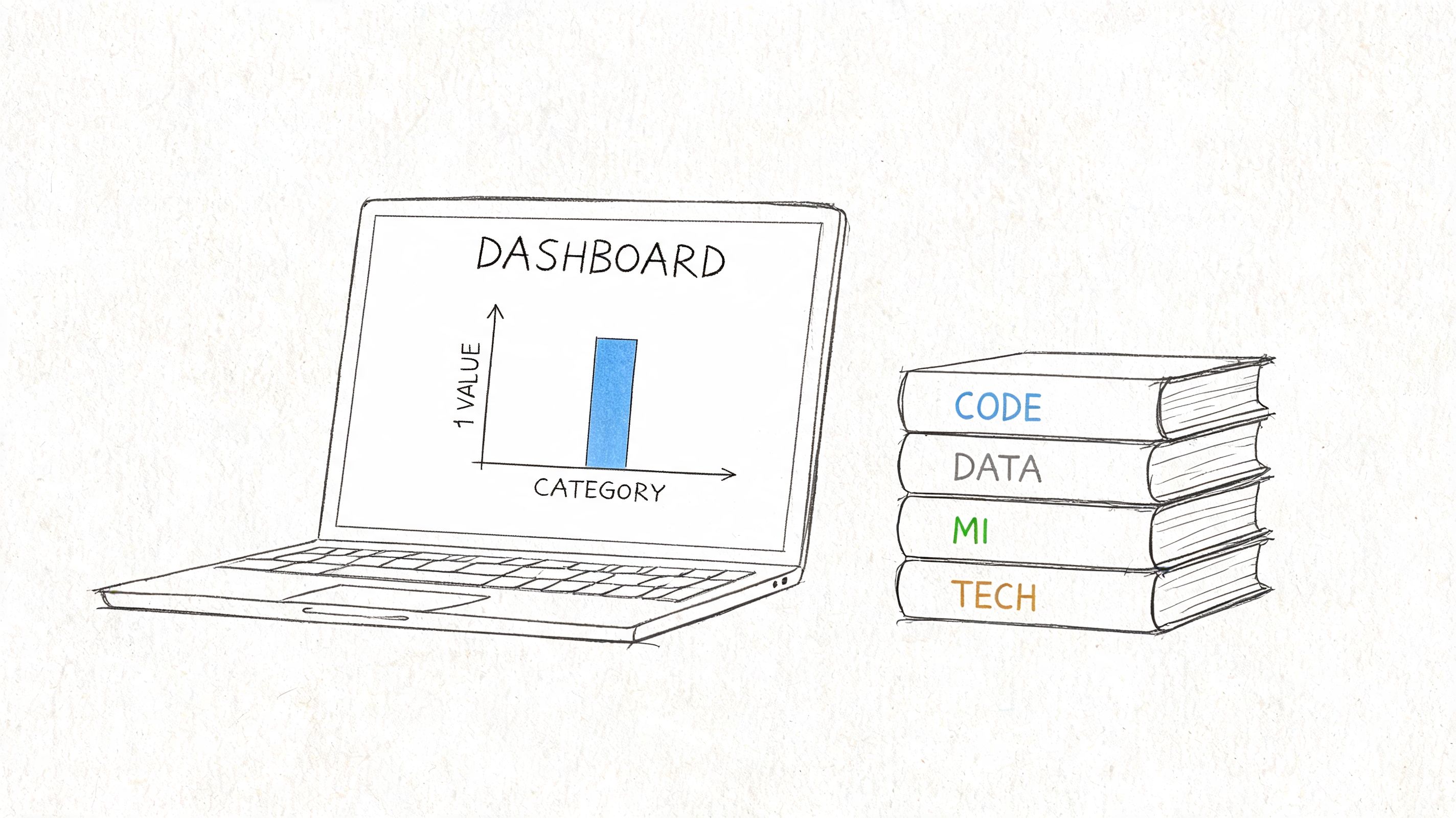
Coursera’s guidance on entry-level analyst work is aligned with what shows up in real hiring. Employers commonly look for SQL, Python or R, and Tableau or Power BI, and a portfolio with 3–5 projects that demonstrate a business outcome gives them something concrete to evaluate (Coursera’s entry-level data analyst overview).
The stack that gets you through screening
Keep your first stack narrow. Broad and shallow looks worse than focused and usable.
Here’s the practical baseline:
- SQL for querying: Use it to answer questions from structured data. Joins, aggregations, filtering, and clean logic matter more than fancy syntax.
- Python or R for cleaning and analysis: Pick one. Python is the common default, but either is fine if your work is organized and reproducible.
- Tableau or Power BI for visualization: You need one BI tool that can turn your analysis into a simple story.
If you already know Excel, treat it as support, not your whole identity. Excel still helps, but most remote analyst roles want to see that you can move beyond spreadsheets.
Build projects like a junior analyst, not like a student
A weak portfolio project says, “I explored this dataset.”
A strong one says, “I investigated a business question, documented my method, and made a recommendation.”
Use this pattern:
Pick a public dataset with a believable use case
Kaggle, government open data, and platform-specific sample datasets are fine. The topic matters less than whether you can ask a useful question.Frame one business question
Examples: Which product category has the highest return rate? Which customer segment produces the most repeat activity? Where do support delays cluster?Do the cleaning in a notebook
Show missing values, duplicates, data type fixes, assumptions, and caveats. Remote teams care about your process, not just your final chart.Use SQL where it belongs
Even if the data starts in a CSV, simulate how an analyst would work. Load it, query it, summarize it.Publish one simple dashboard
One page is enough. If the hiring manager needs a tour guide to understand it, the dashboard is not ready.Write a short README
Include the question, data source, approach, key findings, limitations, and what action you’d recommend.
Your portfolio should show that you can work asynchronously. A hiring manager should be able to understand the project without scheduling a call with you.
One project idea you can actually finish
Build a customer support performance project. Use a public service or ticket dataset. Ask a question like: which issue types create the longest resolution times, and what should a support manager change first?
Your deliverables can be simple:
| Deliverable | What it proves |
|---|---|
| SQL queries | You can extract and group operational data |
| Python notebook | You can clean messy fields and document logic |
| Dashboard | You can summarize findings for non-technical users |
| README | You can explain the business impact clearly |
That kind of project is better than five dashboards with no narrative. It reflects the work analysts do.
What doesn’t work
A lot of beginners waste time on the wrong proof.
- Certificate stacking: Courses can help you learn, but they don’t replace applied work.
- Template dashboards with no explanation: Pretty charts without a decision context won’t carry much weight.
- Overbuilt portfolio sites: A flashy website won’t rescue weak projects.
- Toy analyses: If the question is trivial, your project will look trivial.
The target is simple. Build a small body of work that makes a reviewer think, “This person could take a ticket, figure it out, and send back something useful.”
Crafting a Digital Footprint That Screams ‘Hire Me’
For remote roles, your resume and LinkedIn profile are not passive documents. They are live evidence of how you think, write, and prioritize information.
That’s why remote hiring punishes vague language so hard. If your application is cluttered, generic, or full of tools with no context, a hiring manager starts making assumptions immediately. They assume your analysis will look the same.
Your resume is a writing sample
Recruiter-focused advice for data analyst hiring is unusually blunt on this point. Resumes should translate prior experience into 3–5 stories, each with a metric, using the STAR framework. Hiring managers respond to business impact, not just lists of tools, and that matters even more in remote settings because written communication becomes a proxy for work quality (recruiter advice on STAR-based analyst resumes).
That doesn’t mean you need previous analyst titles. It means you need to rewrite your experience so it shows evidence of judgment.
If you worked in operations, support, finance, admin, retail, or healthcare, you probably already have raw material. The job is to convert duties into outcomes.
How to rewrite weak bullets
Compare these:
- Helped with weekly reporting
- Used Excel to track team activity
- Assisted managers with customer data
Those say almost nothing.
Now compare them with outcome-focused versions:
- Built a weekly reporting workflow that gave managers a consistent view of ticket backlog trends
- Tracked recurring service issues in Excel and flagged patterns that helped the team prioritize follow-up
- Cleaned and organized customer records so reporting could be completed with fewer manual fixes
If you have hard numbers from your own experience, use them. If you don’t, stay qualitative rather than inventing metrics. Credibility matters more than sounding impressive.
LinkedIn should be searchable and specific
Your headline should tell a recruiter what role you want and what tools you can already use. Not your life philosophy. Not “Open to Work and New Opportunities.” Not “Data enthusiast.”
A solid headline looks like this:
Aspiring Remote Data Analyst | SQL, Python, Excel, Power BI
Your About section should do three jobs:
- State your target clearly
- Name your current strengths
- Point to proof such as portfolio projects or relevant work
If you’re still shaping that story, it helps to think deliberately about your positioning. This resource on strategies to define your professional expertise is useful because it pushes you to clarify the overlap between your existing background and the work you want next.
A clean digital footprint tells hiring teams you won’t create confusion once you’re on the job.
What strong remote profiles consistently show
Here’s what I look for when reviewing a junior candidate’s materials:
- A clear target role: The title you want appears early and consistently.
- A believable tool stack: SQL, Python, Excel, and one BI tool is stronger than a bloated list.
- Visible proof: GitHub, Tableau Public, or project links are easy to find.
- Business language: The candidate talks about outcomes, decisions, or operations. Not just code.
- Readable structure: Short sections, strong verbs, no keyword stuffing.
What weak profiles keep doing
A lot of junior applicants sabotage themselves with avoidable mistakes:
| Weak signal | Better alternative |
|---|---|
| Long summary full of adjectives | Short summary tied to tools and outcomes |
| Giant skills section | Focused stack matched to target roles |
| Random project titles | Projects framed around business questions |
| Generic “detail-oriented team player” claims | Evidence through writing quality and examples |
The standard is simple. If someone reads your resume and profile for less than a minute, they should still understand what you do, what tools you use, and why you’re worth interviewing.
The Smart Search Strategy to Find Jobs Before They Go Viral
Most beginners spend too much time in the loudest parts of the market. That’s understandable. The biggest boards are familiar, and they create the feeling of momentum. But they also mix real opportunity with stale listings, unclear titles, reposts, and roles that aren’t junior-friendly.
The remote entry-level market is fragmented. Broad job boards show volume, but a meaningful share of that volume creates more confusion than clarity. A key challenge is filtering for legitimate junior roles instead of recycled or overly broad postings, which is why specialized boards often offer a better signal-to-noise ratio (Indeed market fragmentation notes).

Mass-market boards versus higher-signal sources
The trade-off looks like this:
| Search method | What you get | What goes wrong |
|---|---|---|
| Large public job boards | High volume, fast browsing, broad coverage | More noise, more duplicate-style listings, heavier competition |
| Company career pages | Direct source, cleaner role definitions | Slower to monitor manually |
| Specialized remote boards | Better curation and clearer intent | Lower visible volume, so you need tighter search habits |
The key isn’t abandoning the big platforms completely. It’s refusing to let them drive your whole search.
Search by fit, not by vanity title
A lot of qualified juniors miss openings because they only search one phrase. The remote market has broadened beyond plain “data analyst” titles into adjacent categories. In May 2026, SimplyHired listed 164 remote entry-level statistics jobs, and Indeed showed 588 remote Statistical Analyst openings, which is a strong sign that quantitative entry-level hiring now spans multiple labels and specialties (SimplyHired remote entry-level statistics listings).
That means your saved searches should include variations like:
- Junior Data Analyst
- Reporting Analyst
- Business Analyst
- Statistical Analyst
- Data Analyst, Operations
- BI Analyst
- Analytics Coordinator
Then layer in tool keywords. Search for SQL, Python, Excel, Tableau, or Power BI inside remote roles. Sometimes the better entry point is not the title you expected. It’s the role that uses the stack you already know.
A smarter workflow for finding fresher openings
If you’re serious, build a repeatable search system instead of casually browsing.
Try this:
- Set title-based alerts for a small set of adjacent role names.
- Set skill-based alerts for SQL, Python, Excel, and your BI tool.
- Check company pages directly for remote-first employers you respect.
- Review posting language fast to rule out fake-junior roles.
- Apply early only when the fit is real
One practical option is Remote First Jobs, which pulls listings directly from company career pages rather than relying on job-board repost loops. For a search like remote data analyst jobs entry level, that kind of direct sourcing is useful because it surfaces fresh roles from remote-first employers before the usual crowd piles in.
Speed matters less than freshness plus fit. An early application to a well-matched role beats a rushed application to a crowded one.
How to spot noise before you waste an hour
Use a fast filter before you customize anything.
Skip or de-prioritize postings that show these signs:
- The title says junior, but the description reads mid-level
- The responsibilities are wildly broad
- The company, team, or reporting line is unclear
- The role appears copied across multiple boards with inconsistent wording
- The posting lists niche domain expertise you don’t have and can’t plausibly bridge
This is where a lot of applicants go wrong. They count activity instead of quality. Fifty weak applications to noisy roles can leave you more discouraged than five targeted applications to clean, direct postings.
The goal is not to spend all day searching. The goal is to build a filter that protects your attention.
Nailing the Remote Interview and Take-Home Test
Remote interviews reward calm, organized candidates. They punish people who know the material but present it messily.
A hiring team is not only asking, “Can this person analyze data?” They’re also asking, “Will this person communicate clearly without being in the room?” That’s why the interview setup and the take-home assignment carry so much weight.
Many roles labeled entry-level are not primarily intended for zero-experience candidates. Listings often ask for 1–2 years in a related role, domain exposure, or stronger tooling than the title suggests. In practice, the hidden filter often shows up in the take-home assignment, where employers test business context and analyst-ready execution beyond what a resume can show (Indeed examples of remote no-experience entry-level analyst listings).
The screen test starts before the first question
Get the mechanics right first.
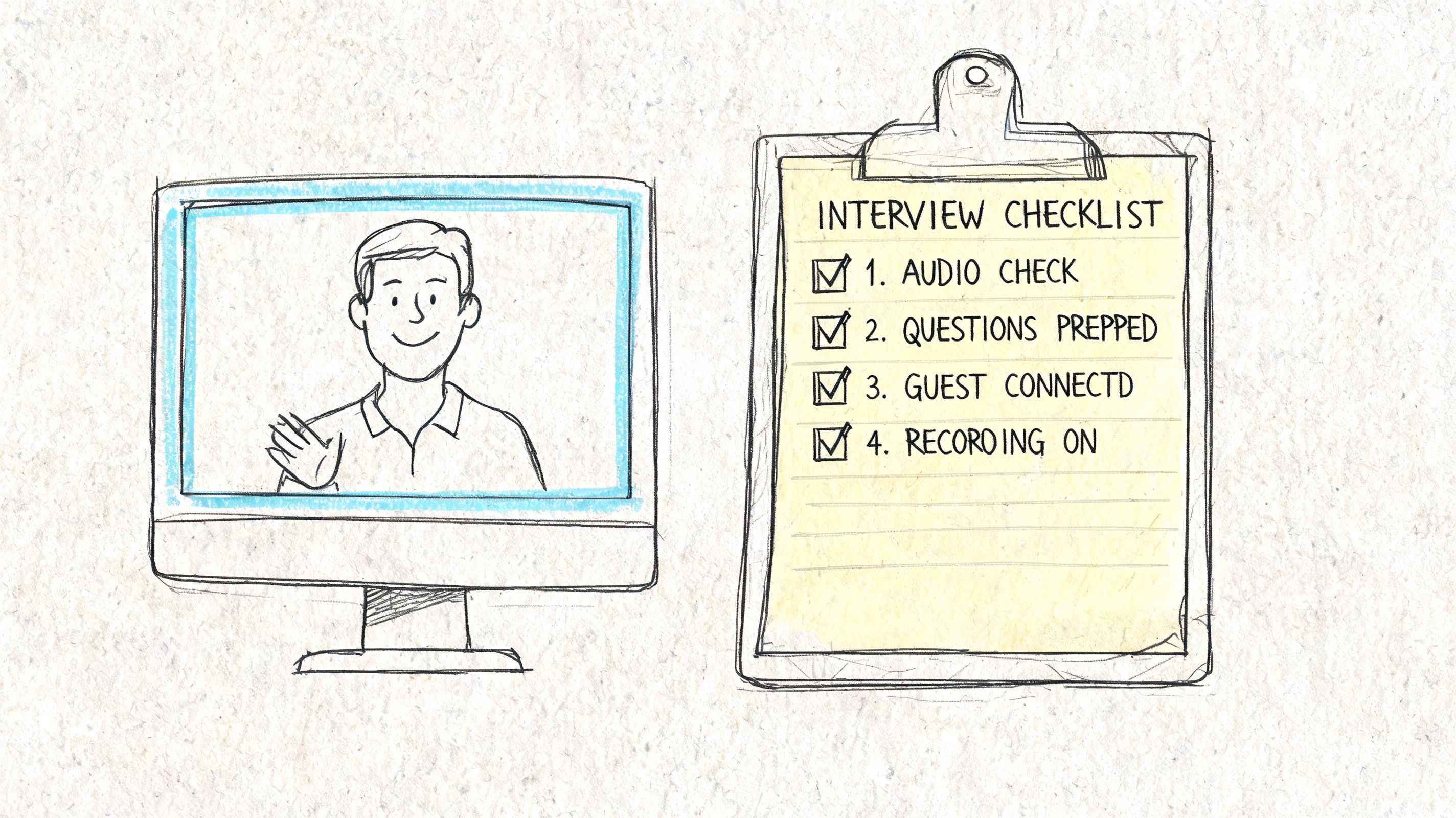
- Audio: Use headphones or a reliable mic. Bad audio makes you sound less prepared than you are.
- Camera framing: Your face should be visible, centered, and not lit from behind.
- Background: Neutral and distraction-free beats impressive.
- Notes: Keep a short page of reminders nearby, but don’t read from it.
- Examples: Prepare a few stories about projects, trade-offs, mistakes, and how you communicate findings.
These seem basic, but remote teams notice them. They’re signs of how you’ll show up in meetings and presentations later.
How to answer like an analyst, not like a student
Junior candidates often rush into tool talk. That’s usually the wrong move.
A stronger interview answer follows this order:
- Clarify the problem
- State the approach
- Mention the tools
- Explain the decision impact
- Note any limitation or caveat
That structure makes you sound like someone who understands why analysis exists. Not someone reciting coursework.
If your answer starts with the business question, you already sound more hireable.
The take-home test is the real filter
Treat the assignment as a work sample, not a homework quiz. Your reviewer is evaluating your thinking, your organization, and your judgment under limited instructions.
Good candidates do a few things consistently:
- They clarify scope early: If the prompt is ambiguous, they ask focused questions.
- They document assumptions: They don’t hide uncertainty.
- They keep outputs clean: File names, notebooks, slides, and summaries are readable.
- They explain the so what: Findings lead to action, not just charts.
A lot of candidates fail because they overwork the wrong part. They build complex visuals and skip the executive summary. Or they write correct SQL and never explain what the result means.
Here’s a useful video to review before your next round:
A simple take-home submission structure
Use a structure like this:
| Section | What to include |
|---|---|
| Executive summary | Core finding, business implication, recommended next step |
| Method | Data cleaning, assumptions, logic, limitations |
| Analysis | Key tables, code, or charts with concise labels |
| Recommendation | What a manager should do with the result |
That format travels well in remote teams because it respects how people review work. They skim first. Then they dig deeper if the top-line story is clear.
Salary Expectations and Your Career Next Steps
A lot of entry-level candidates fixate on the first salary number they see and miss the bigger signal. For a remote junior data role, pay usually reflects how quickly you can contribute without hand-holding, how much business context the team expects, and whether the company is remote-first or just remote-tolerant.
Use salary ranges as a planning tool, not a verdict on your value. The first job matters because it gives you proof: production work experience, stakeholder communication, and evidence that you can ship useful analysis in a distributed team. That combination changes the quality of roles you can access next.
Titles also spread out fast after that first year. You may still be called a data analyst, but the work can shift toward BI, product analytics, operations, or more statistical analysis. That is why broad fundamentals matter more than chasing a narrow title too early. Strong SQL, practical statistics, and Python travel well across teams.
Common next-step directions include:
- BI-focused work: dashboard ownership, recurring reporting, metric definitions, and light data modeling
- Statistical analysis roles: experimentation support, forecasting, and deeper quantitative interpretation
- Operations or product analytics: KPI tracking, cross-functional analysis, and decision support tied to business outcomes
- Data-adjacent technical growth: more exposure to pipelines, data quality, and collaboration with engineering
What you learn after you get hired matters as much as how you got hired.
A useful progression looks like this:
- First layer: sharpen SQL, Python, dashboard design, and concise written summaries
- Second layer: build stronger statistics skills and learn to explain experiment results clearly
- Third layer: learn cloud warehouse basics and how data moves through pipelines
- Fourth layer: build domain depth in one area such as healthcare, SaaS, finance, or operations
Early in your career, usefulness beats complexity. Hiring managers will often accept a junior gap in technical depth if your work is clean, your reasoning is sound, and your communication is reliable. They usually will not overlook messy deliverables, vague conclusions, or a portfolio full of projects that never connect to a business decision.
If you’re tired of sorting through noisy listings and want a cleaner way to track direct-hire remote roles, Remote First Jobs is worth adding to your search workflow. It pulls jobs from company career pages, which helps you find legitimate remote openings earlier and spend less time on recycled postings.